
Artist Arrival Support
Arrival support helps performers and their teams understand timing, access, contact points, backstage location and the next step after reaching the venue.
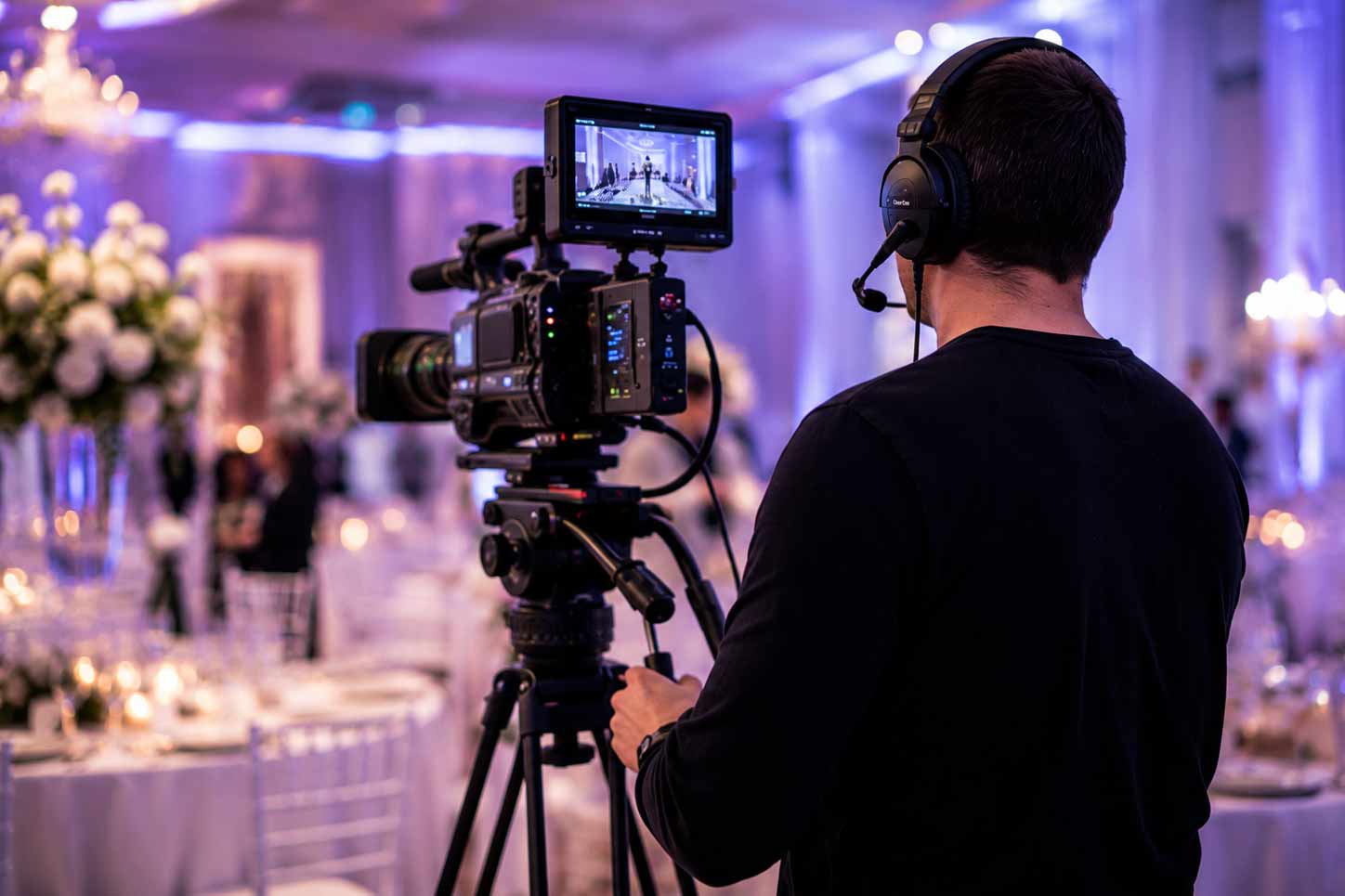
Ronter Sound Events supports artist hospitality for concerts, touring productions and live performances with backstage coordination, performer comfort, communication, timing support, artist requirements and onsite production alignment.
Artist hospitality is not separate from the concert experience. Clear communication, prepared backstage areas, arrival timing, readiness, comfort and artist-facing support help performers stay focused before they step into the live moment.
Artist hospitality helps create a more organized performance environment. It can support artist arrival, backstage readiness, green room flow, communication with the performer team, schedule awareness, hospitality details, technical handoff and coordination between artist needs and the production plan.
Backstage management supports artist readiness, communication, access, timing and the unseen movement behind the performance.
02Artist technical support connects performer requirements, setup needs, soundcheck, playback, microphones and stage details to the production plan.
03Stage management helps align performer readiness, entrances, transitions, timing and live show movement.
04Live performance support connects artist needs, stage flow, technical details and onsite production around the performer.
05Touring productions often need local artist hospitality support, backstage preparation and clear coordination for the local concert stop.
06Onsite production keeps artist hospitality connected to the larger concert plan during setup, performance and breakdown.
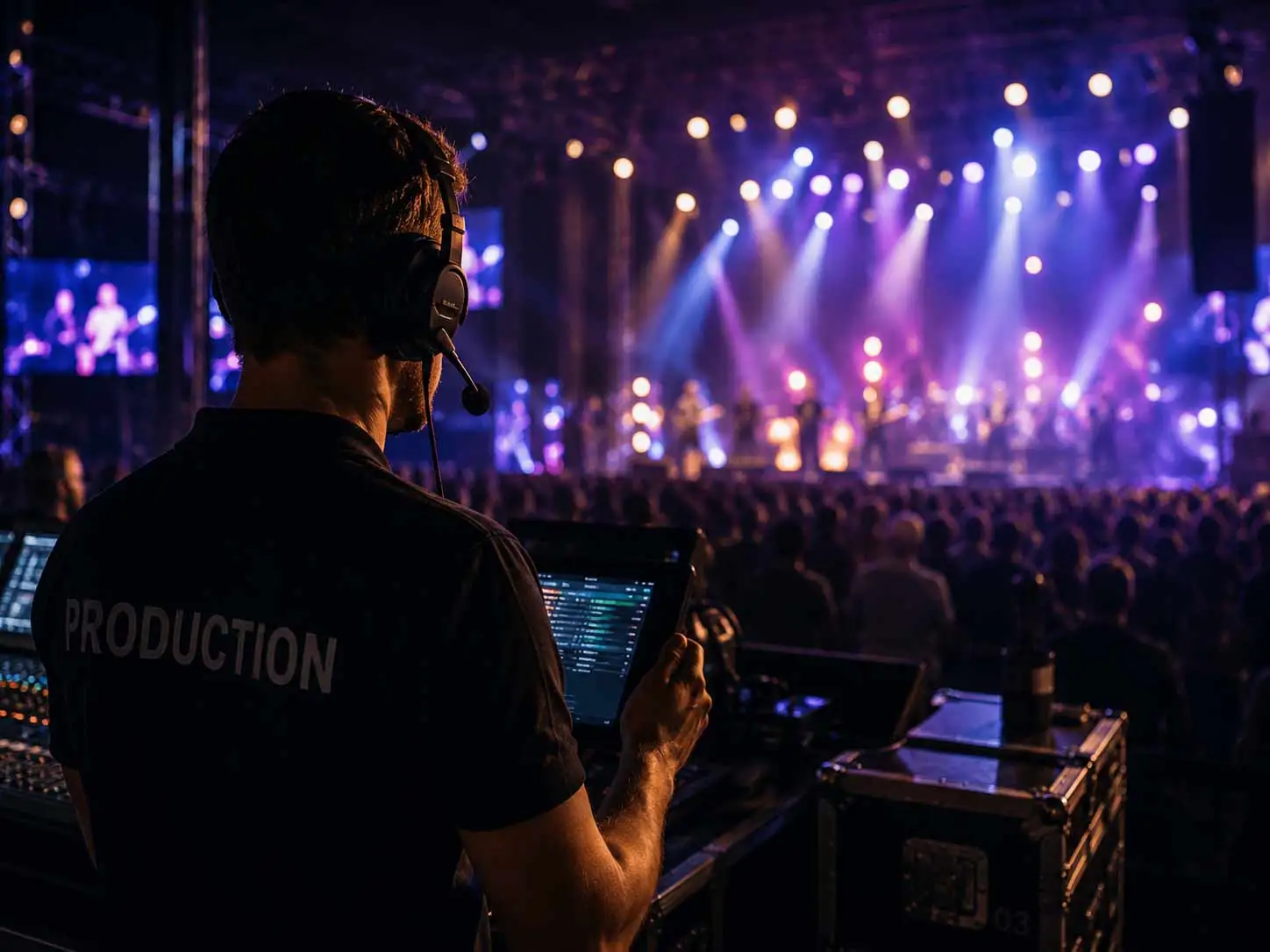
Before a concert begins, the artist experience is shaped by practical details. Where should the artist go? Who is the contact onsite? When is soundcheck? What is the performance time? Is the backstage space ready? Are artist needs understood? Is the stage team aware of the timing?
Ronter Sound Events helps organize those details so performers and their teams have a clearer path into the event. The goal is simple: reduce friction backstage so the artist can focus on the performance.
Artist hospitality does not need to be loud or complicated. It needs to be clear, prepared and connected to the real concert plan. When performers know where to be, when they are needed and who is managing the backstage flow, the event feels more controlled.
Arrival support helps performers and their teams understand timing, access, contact points, backstage location and the next step after reaching the venue.
Backstage or green room readiness helps create a more organized waiting environment before soundcheck, performance or artist call time.
Clear communication helps keep the artist team connected to the production timeline, stage timing, technical needs and live show flow.
Artist hospitality starts before the performer arrives. The plan should clarify what the artist needs, how the venue will support those needs, who communicates with the artist team and how backstage support connects to the live show schedule.
We review the artist’s hospitality needs, arrival timing, performance schedule, backstage expectations, technical handoff and communication points.
Backstage areas, access points, artist movement, readiness timing and venue conditions are aligned with the concert plan.
Artist arrival, soundcheck, call time, performance time, stage movement and post-show details are connected to the event timeline.
During the event, artist hospitality support helps performers and their teams navigate the backstage environment and stay connected to production timing.
After the performance, support can continue through artist exit, backstage clearing, communication, breakdown timing and the final close of the concert.
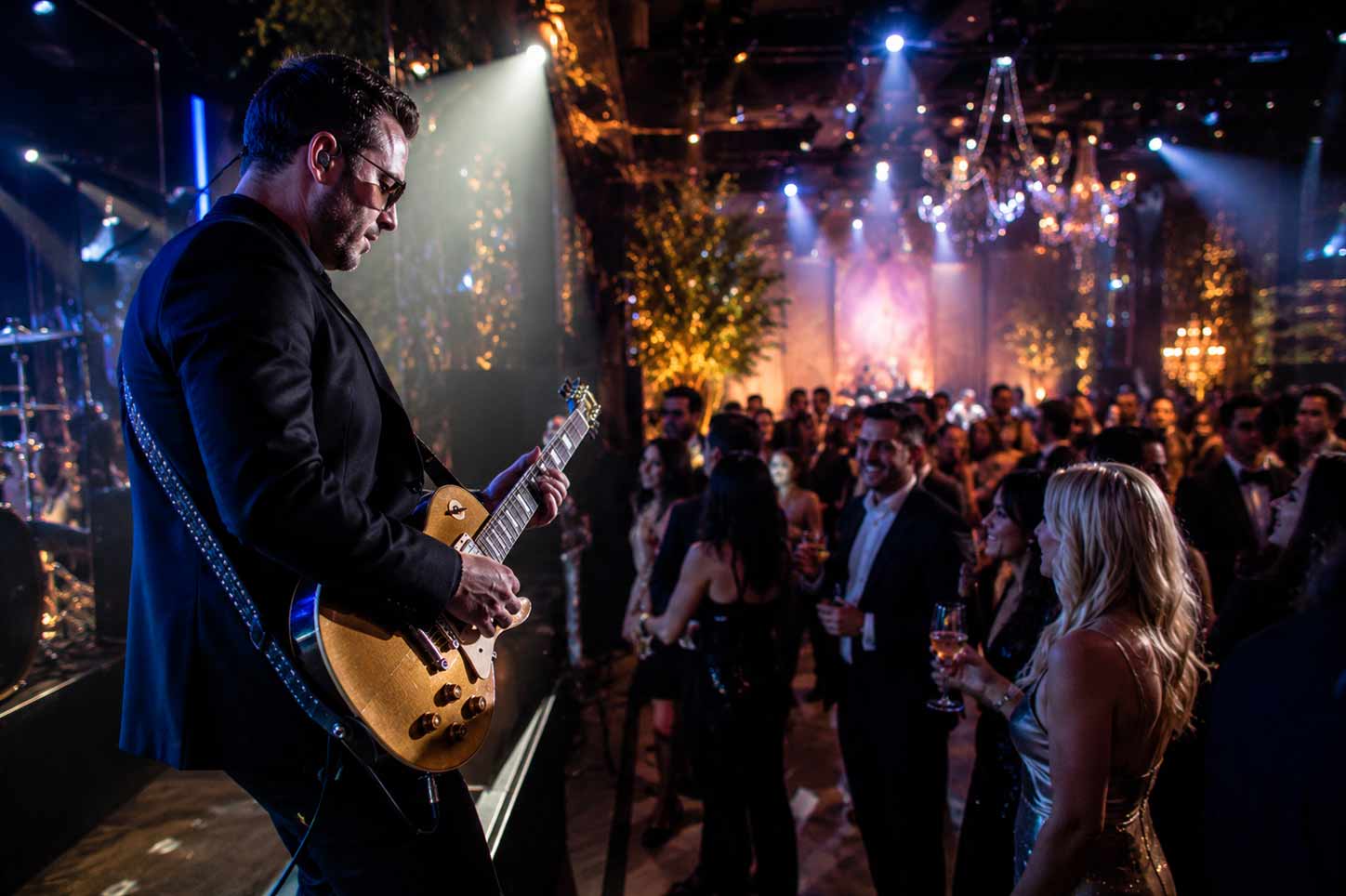

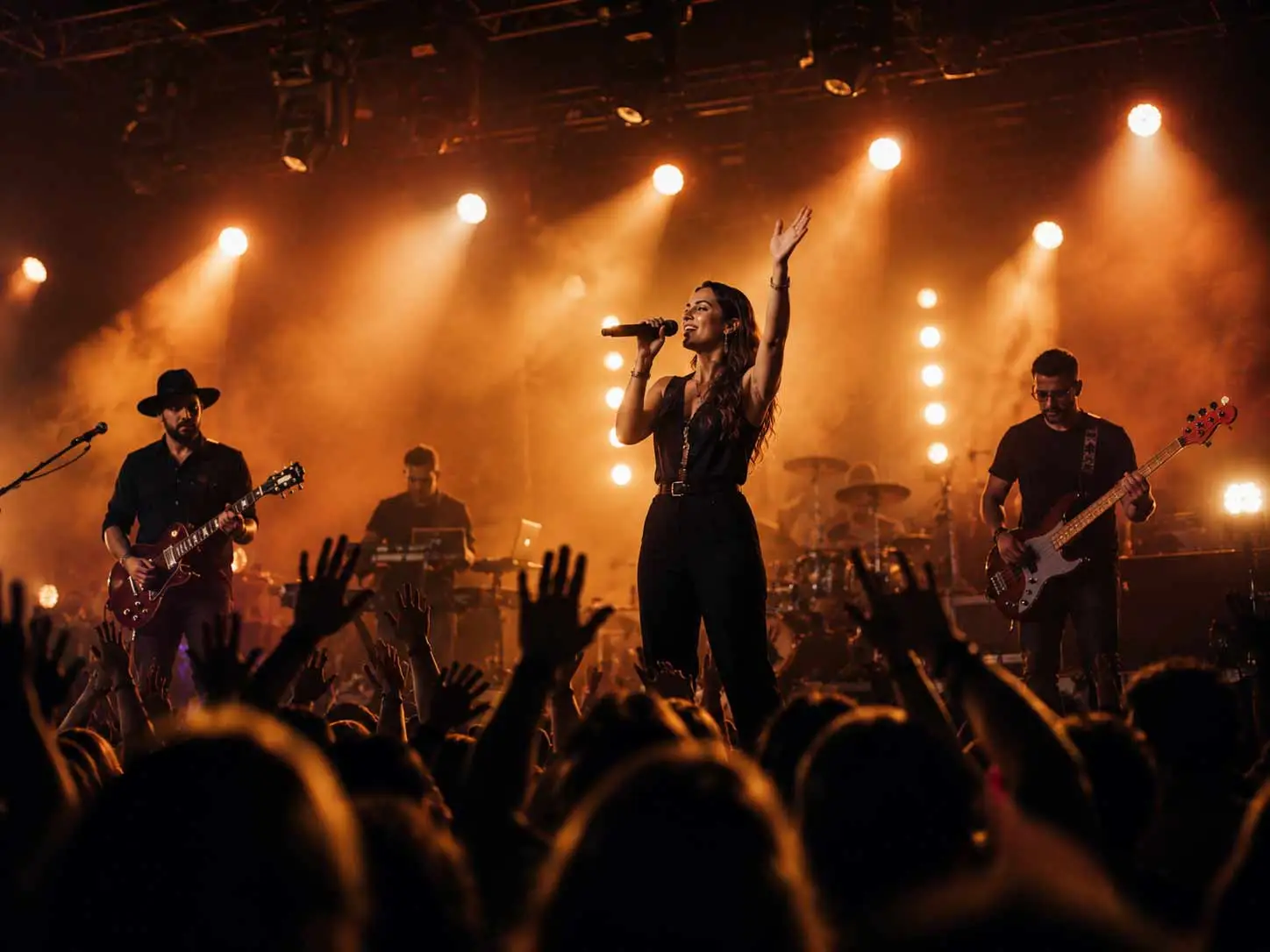
Touring artists often move through unfamiliar venues, schedules and backstage environments. A local stop can feel smoother when communication is clear, the venue is prepared, the production team understands the artist needs and the backstage flow is organized before the artist arrives.
Artist hospitality can support touring productions, concert performances, venue shows, private performances and multi-artist events. It helps the performance day feel less reactive and more controlled.

A performer’s backstage experience is connected to the live event. If the artist is not ready, the stage feels it. If technical needs are unclear, the soundcheck feels it. If the timing is loose, the audience may feel it. Artist hospitality helps connect the performer side to the production side.
A clear run of show helps align artist arrival, soundcheck, performance time, transitions, media moments and final close.
CuesShow calling supports key moments when artists, stage movement, audio, lighting and production timing need to move together.
ManagementProduction management supports communication, timing, responsibilities and the larger structure around the live event.
ScheduleA production schedule keeps artist arrival, backstage readiness, soundcheck, performance and breakdown connected to the event day.
Load-inLoad-in coordination supports venue access, timing, stage preparation and the practical start of the production day.
Load-outLoad-out coordination helps the event close cleanly after the performance, including breakdown timing and departure flow.

The audience does not see artist hospitality directly. They see the result when the performer arrives ready, the stage timing feels clean, the show starts with confidence and the event moves without unnecessary friction.
That is the purpose of artist hospitality: to support the performer experience so the live show can stay focused on the music, the stage and the audience.
Concert PortfolioArtist hospitality is the backstage and performer-facing support that helps artists feel prepared before and during a concert. It can include arrival support, backstage readiness, communication, schedule awareness, comfort details and coordination with the production team.
Artist hospitality helps reduce confusion around arrival, timing, backstage flow and performer needs. When those details are organized, the artist can focus more fully on the performance.
Yes. Touring artists can be supported with local backstage coordination, arrival guidance, venue communication, schedule alignment, technical handoff and onsite production support.
Yes. Artist hospitality and stage management often work together. Hospitality supports the performer experience backstage, while stage management supports timing, entrances, transitions and live show movement.
Yes. Artist hospitality can be included alongside artist technical support when performers need both backstage coordination and technical preparation for the live performance.
Yes. Artist hospitality can be part of a complete concert production plan with sound, lighting, stage management, artist technical support, backline coordination, photography, video and onsite production management.
Share the date, venue, artist type, performance schedule, backstage needs, arrival timing, hospitality requirements and any production details that need coordination. Ronter Sound Events will help shape the artist hospitality plan around the performers and the live show.
Concerts, corporate events, private celebrations, sound systems, lighting, stage production and entertainment.