
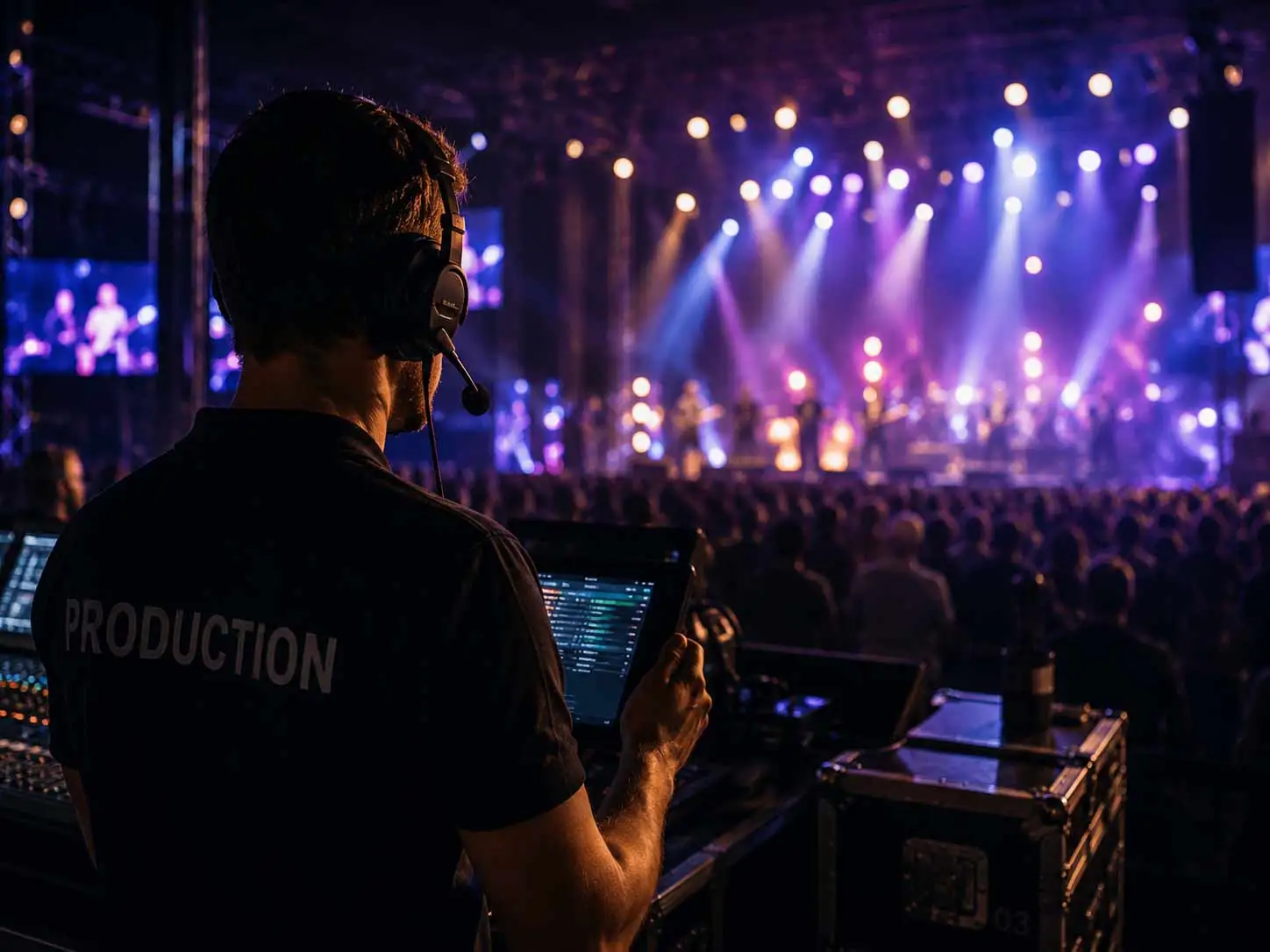
Event Timeline Planning for a Clear Guest Experience.
Ronter Sound Events creates event timelines that organize the guest-facing schedule, transitions, presentations, entertainment, vendor timing and behind-the-scenes coordination into one clear event flow.
The event timeline controls how the experience feels from arrival to closing.
An event timeline organizes what guests see and what the team prepares behind the scenes. It connects arrival, welcome moments, speeches, entertainment, presentations, food service, transitions and closing into one clear schedule.
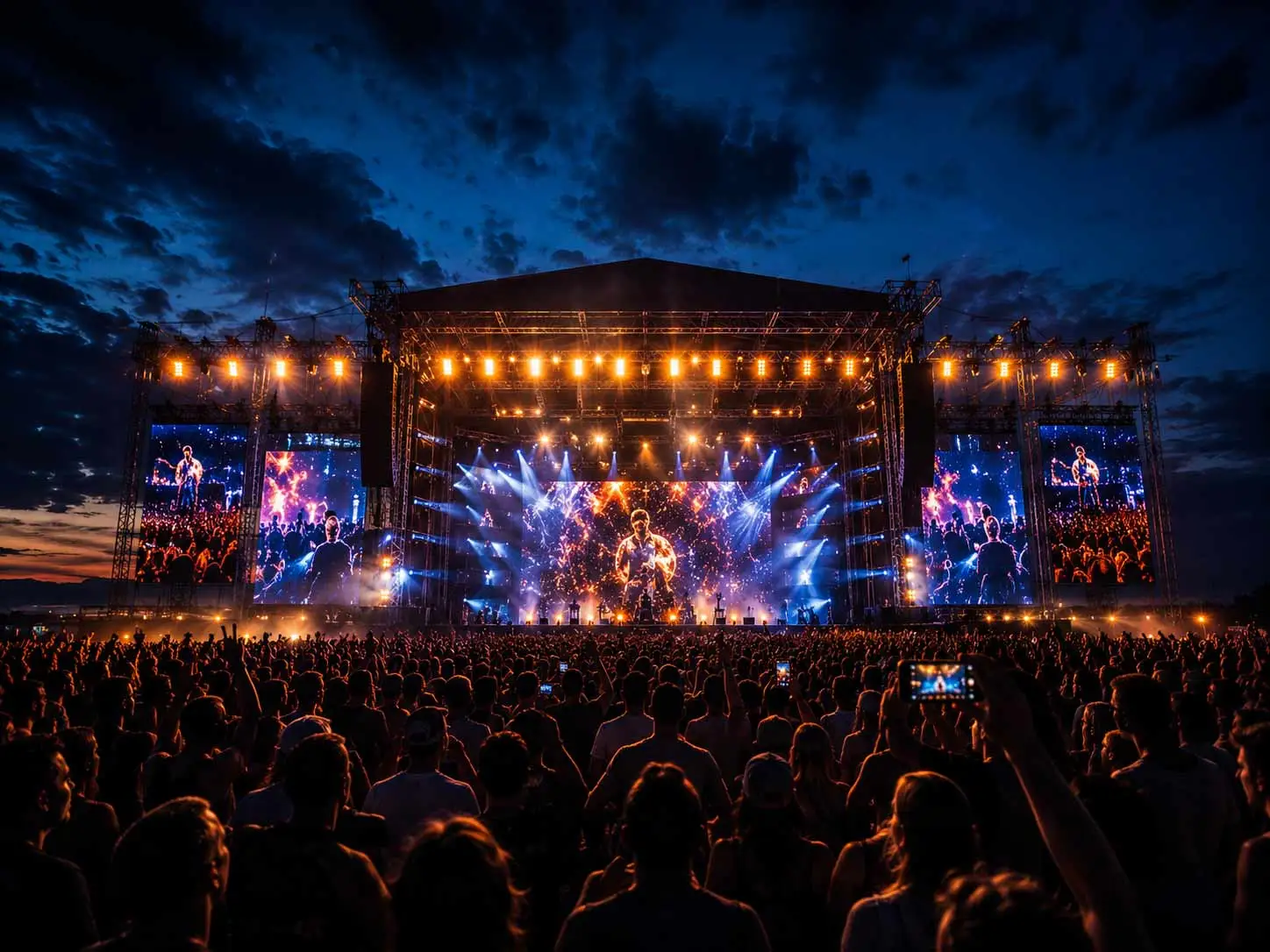
A timeline should support both the guests and the team behind the event.
Guests experience the event as a sequence of moments. The team experiences it as a sequence of responsibilities, cues, arrivals, setup points and transitions.
A clear event timeline connects both sides so the event feels natural in the room and organized behind the scenes.
Every guest-facing moment needs timing and context.
Planning arrival, entry points, welcome timing, room movement and the first impression of the event.
02 Program FlowOrganizing speeches, presentations, performances, announcements, entertainment and formal moments.
03 Live TransitionsConnecting timing with cues, stage movement, sound, lighting, presenters and live event changes.
04 Vendor TimingMaking sure vendors understand when their work affects guest experience and event flow.
05 Closing MovementPlanning the end of the event, guest exit, vendor wrap-up and the transition into breakdown.
From event agenda to coordinated event flow.
Event Agenda
We review the event type, date, location, guest count, key moments, vendors, entertainment and production needs.
Guest Schedule
The guest-facing flow is organized around arrival, program moments, transitions, service timing and closing.
Team Coordination
Vendors, production teams, presenters, performers and venue staff are connected to the timeline.
Event-Day Use
The timeline becomes a reference point for coordination, adjustments, guest flow and live decisions.
Every event format needs a different timeline.
A wedding, corporate program, concert, festival, community event and private celebration all move differently. The event timeline should match the audience, venue, program and production scope.

Guests feel the timeline even when they never see it.
A strong event timeline helps the room feel calm, prepared and intentional. Guests know where to go, moments happen without long gaps, and transitions feel planned instead of improvised.
The goal is not to make the event rigid. The goal is to give the team enough structure to adjust without losing control.
The event timeline should connect the visible program with the hidden support.
The event timeline should work together with the production schedule, not separately from it.
02 Room ReadinessSetup coordination makes sure the space is ready before the guest-facing timeline begins.
03 Behind-the-Scenes TimingPresenters, performers and support teams need timing before they appear in the live program.
04 Operational MovementAccess, vendor movement, guest movement and transitions should support the timeline.
05 End-of-Event FlowGuest exit, vendor wrap-up and load-out should be planned as part of the complete event timeline.
Tell us what should happen. We’ll help organize the order.
Send the event date, location, event type, guest count, vendors and key moments. We’ll help define the event timeline support that fits your event.