
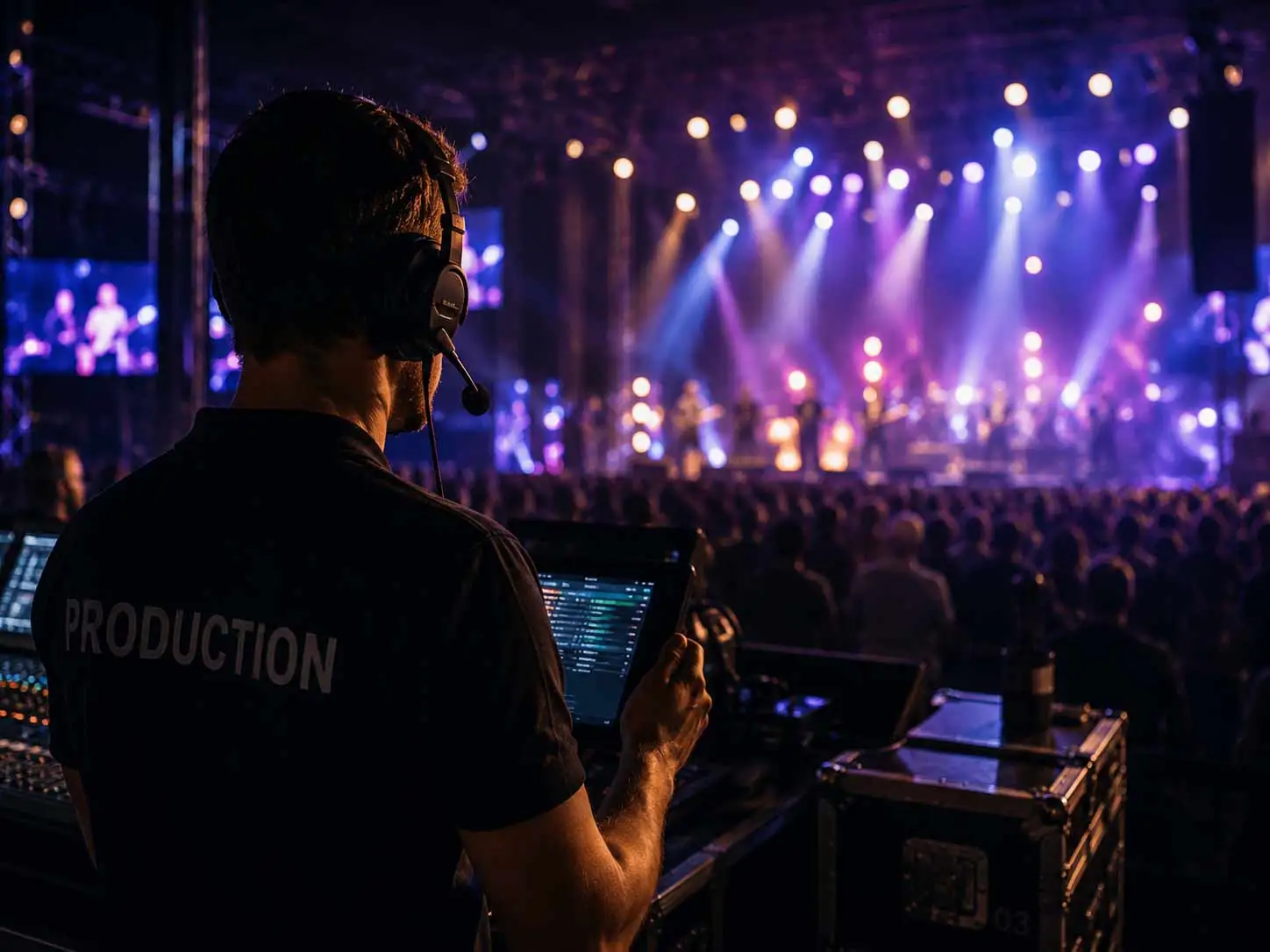
Vendor Coordination for Events With Many Moving Parts.
Ronter Sound Events coordinates vendors, schedules, access, setup needs and event-day communication so every outside team works within one organized event plan.
Vendors can only work well when they are connected to the same event plan.
Every vendor affects the timing, setup and guest experience of the event. Sound, lighting, entertainment, photo, video, catering, venue staff and production support all need clear communication, access instructions, setup windows and event-day timing.
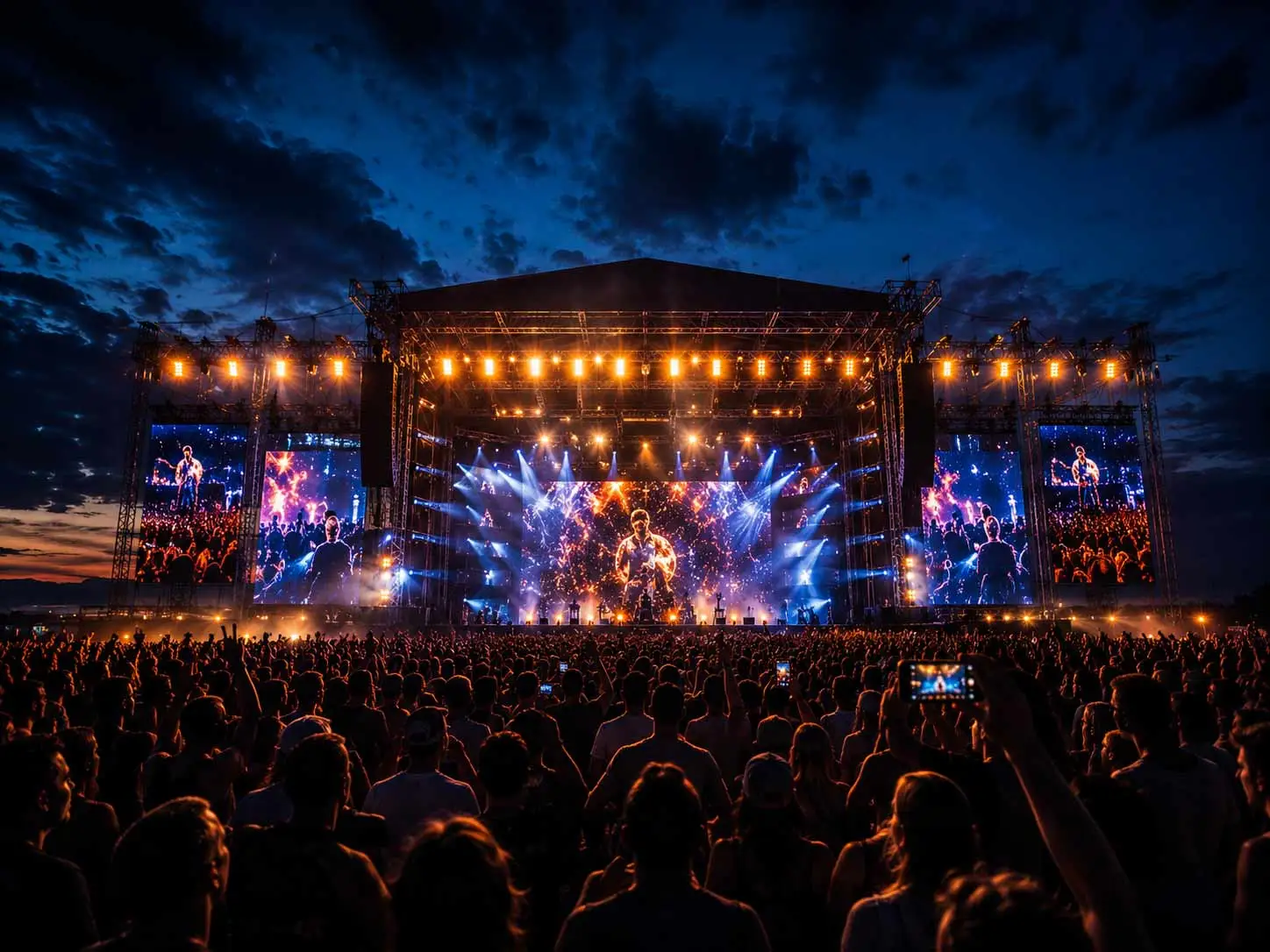
One unclear vendor detail can affect the whole production flow.
Vendor coordination helps prevent delays before they happen. Arrival windows, loading access, setup locations, power needs, sound check timing, photo positions, entertainment timing and venue rules need to be understood before event day.
We help organize those details so vendors do not work as disconnected parts. They become part of one controlled event system.
Every vendor needs timing, access and a clear role.
Coordinating arrival times, setup windows, readiness checks, service timing and departure expectations.
02 Venue AccessOrganizing entry points, loading areas, vendor routes, setup zones, backstage access and venue communication.
03 Setup OrderHelping vendors arrive and install in an order that supports sound, lighting, staging, decor, catering and production needs.
04 Event TimingConnecting vendor work to guest arrival, program moments, speeches, entertainment, food service and transitions.
05 Production AlignmentKeeping vendor responsibilities connected to the technical, creative and operational structure of the event.
From vendor list to event-day communication.
Vendor Details
We review the vendors involved, their services, contact points, arrival needs, setup requirements and timing concerns.
Schedule Alignment
Vendor work is placed into the production schedule so setup, checks, service moments and transitions make sense.
Access and Setup
Venue access, load-in, setup order, placement needs and communication points are organized before the event begins.
Event-Day Support
During the event, vendor coordination helps manage timing changes, questions, movement and operational adjustments.
Vendor coordination changes depending on the event.
A festival, concert, corporate event, wedding, community event and private celebration each involve different vendor timing, access needs, communication points and production pressure.

Vendor coordination supports the guest experience without being visible to guests.
Guests usually do not know when a vendor arrived, where they loaded in, who needed power, or how timing was adjusted. They only feel whether the event is calm, late, rushed or organized.
Good vendor coordination keeps the invisible details under control so the event can move naturally.
The vendor plan should connect to every operational layer.
Vendor arrivals and deliveries need to follow the venue access plan and production setup order.
02 Guest Flow ImpactVendor placement and service timing should not block entrances, audience movement or important guest moments.
03 Backstage CoordinationPerformers, presenters, hosts and production teams may need vendor support or clear backstage timing.
04 Live Program TimingVendors involved in speeches, entertainment, service moments or transitions need to be aligned with live cues.
05 Breakdown OrderAfter the event, vendor departures and teardown should happen in a controlled order that protects the venue and production flow.
Tell us who is involved. We’ll help organize how they work together.
Send the event date, location, event type, guest count, vendor list and production elements involved. We’ll help define the vendor coordination support that fits your event.