
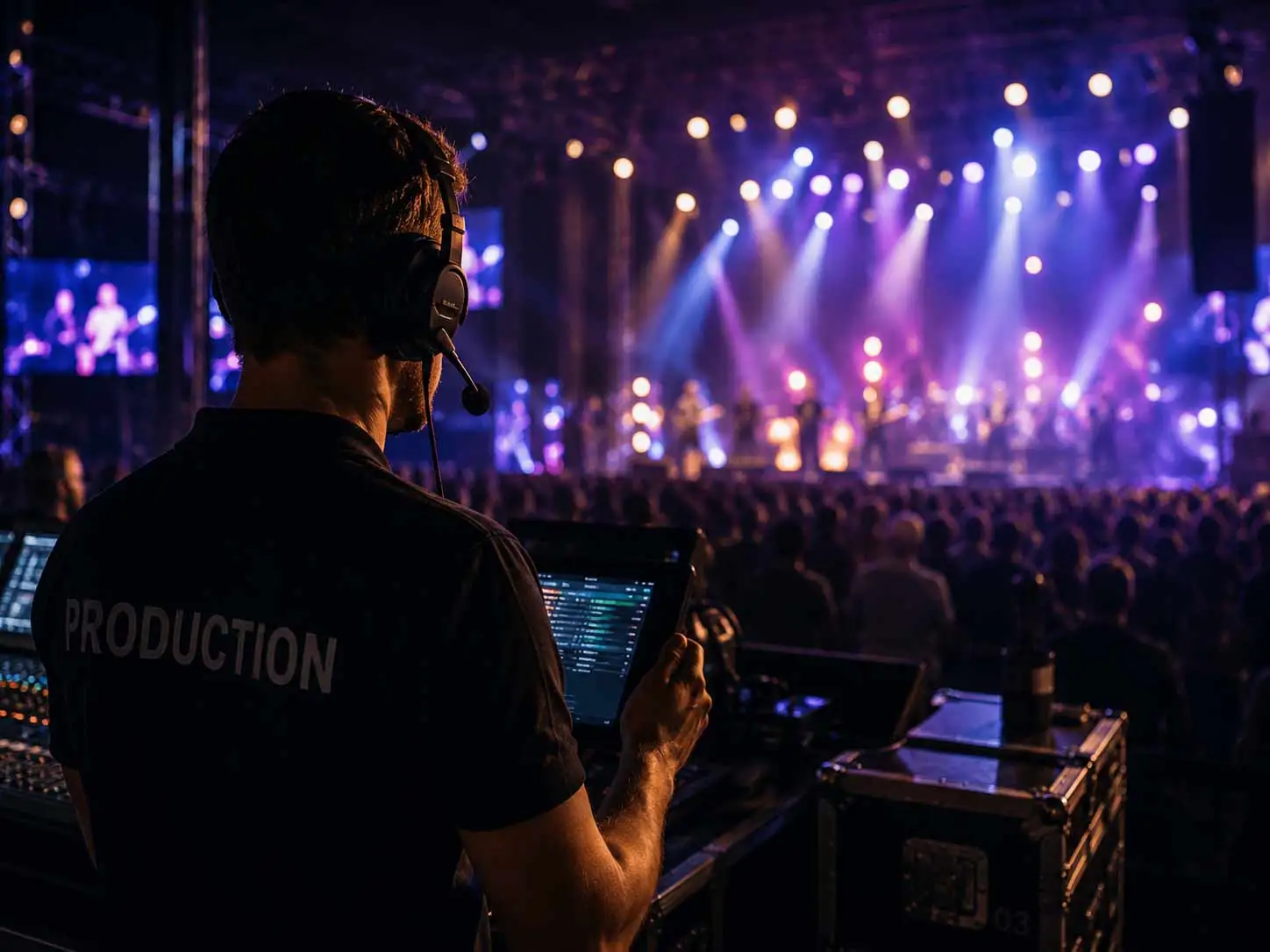
Event Logistics for Coordinated Event Operations.
Ronter Sound Events coordinates schedules, vendors, access, movement, setup timing, guest flow and event-day operations so every moving part works inside one organized plan.
Event logistics keeps the operational side of the event connected.
A successful event depends on more than the guest-facing schedule. Vendors need access, equipment needs movement, teams need timing, guests need clear flow, and the venue needs an organized plan from load-in to load-out.
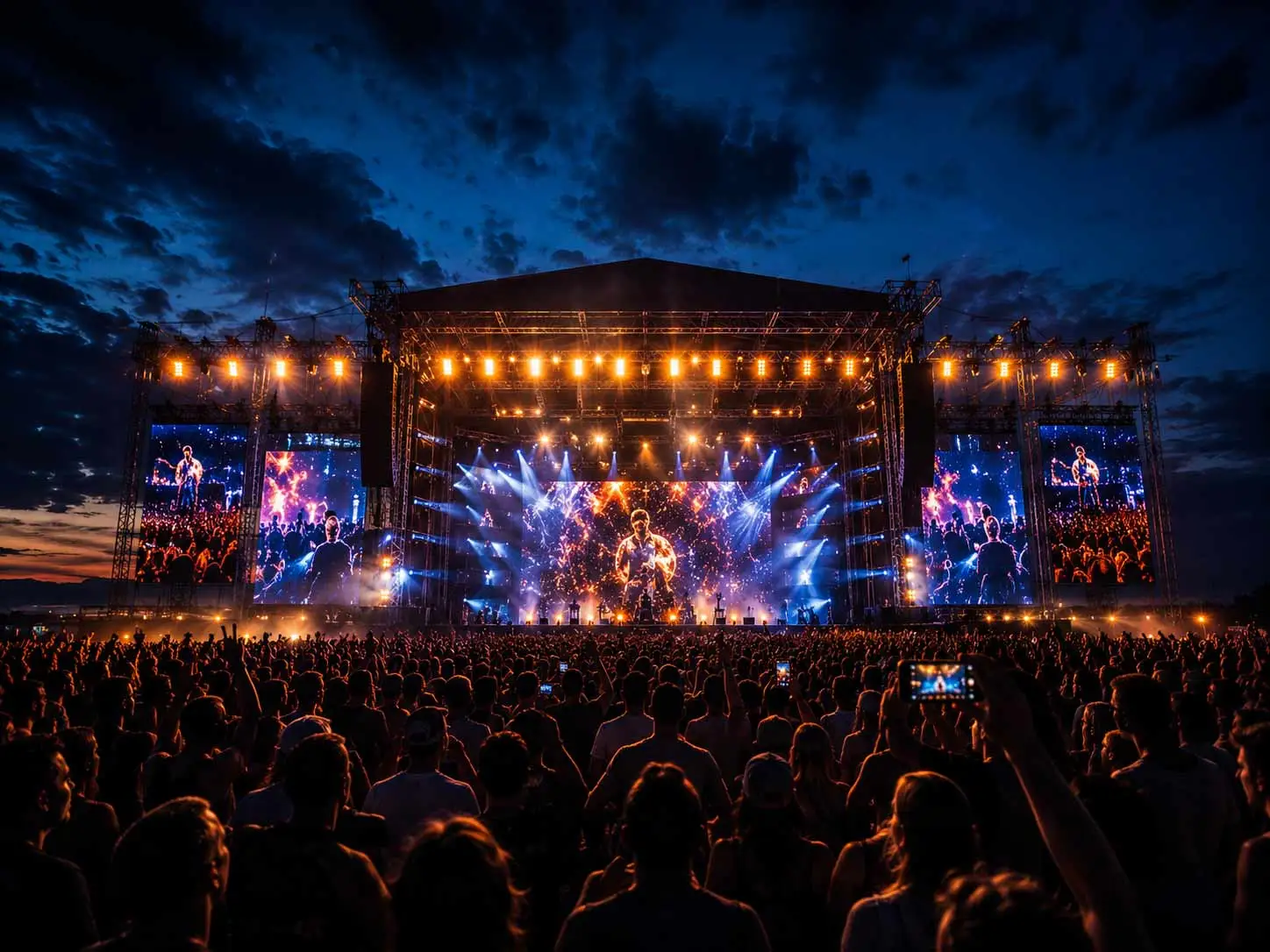
The logistics plan connects what happens before, during and after the event.
Event logistics includes the movement and timing that guests may never see. It covers how vendors enter, how production teams move, how setup is completed, how guests flow through the space, and how the event closes without confusion.
Ronter Sound Events helps organize those details so the event does not depend on disconnected decisions on the day itself.
Every operational detail should support the same event plan.
Coordinating equipment arrivals, vendor access, loading areas, setup windows and production movement before the event begins.
02 Setup OperationsOrganizing installation order, room readiness, vendor placement and production checks before guests enter the space.
03 Vendor MovementKeeping vendors aligned with arrival timing, service points, communication needs and event-day responsibilities.
04 Guest MovementConnecting entrances, room flow, service areas, transitions and exits with the operational plan.
05 Load-Out PlanningManaging equipment removal, vendor departures, closing access and venue handoff after the event ends.
From access planning to final event wrap-up.
Event Requirements
We review the event type, venue access, guest count, vendors, production needs, schedule and operational restrictions.
Movement Plan
Vendor movement, guest movement, equipment flow, setup order and backstage needs are connected into one logistics plan.
Event-Day Coordination
The logistics plan supports live adjustments, timing changes, vendor questions and coordination decisions during the event.
Closing Operations
Breakdown, load-out, vendor departures and venue handoff are managed as part of the same operational structure.
Event logistics changes with the format, venue and production scope.
Concerts, festivals, corporate events, weddings, community events and private celebrations each create different access needs, vendor pressure, guest movement and production timing.

Guests feel the result of logistics even when they never see the plan.
When event logistics are clear, guests enter a ready space, vendors do not block the experience, transitions feel natural, and the event closes without visible pressure.
The goal is not to make the event feel mechanical. The goal is to give the team enough structure so the experience can feel calm, intentional and professionally managed.
The logistics plan should connect every coordination layer.
Logistics should follow the production schedule, not create a separate timing structure.
02 Timeline SupportOperational movement should support the guest-facing event timeline and key program moments.
03 Backstage OperationsPerformer, presenter and support areas need logistics that match the live event flow.
04 Stage MovementStage and backstage timing should be supported by access, vendor movement and production readiness.
05 Closing PlanThe event logistics plan should include teardown, vendor departures, load-out and venue handoff.
Tell us what needs to move, arrive, happen and connect.
Send the event date, location, event type, guest count, vendor list and production elements involved. We’ll help define the event logistics support that fits your event.