
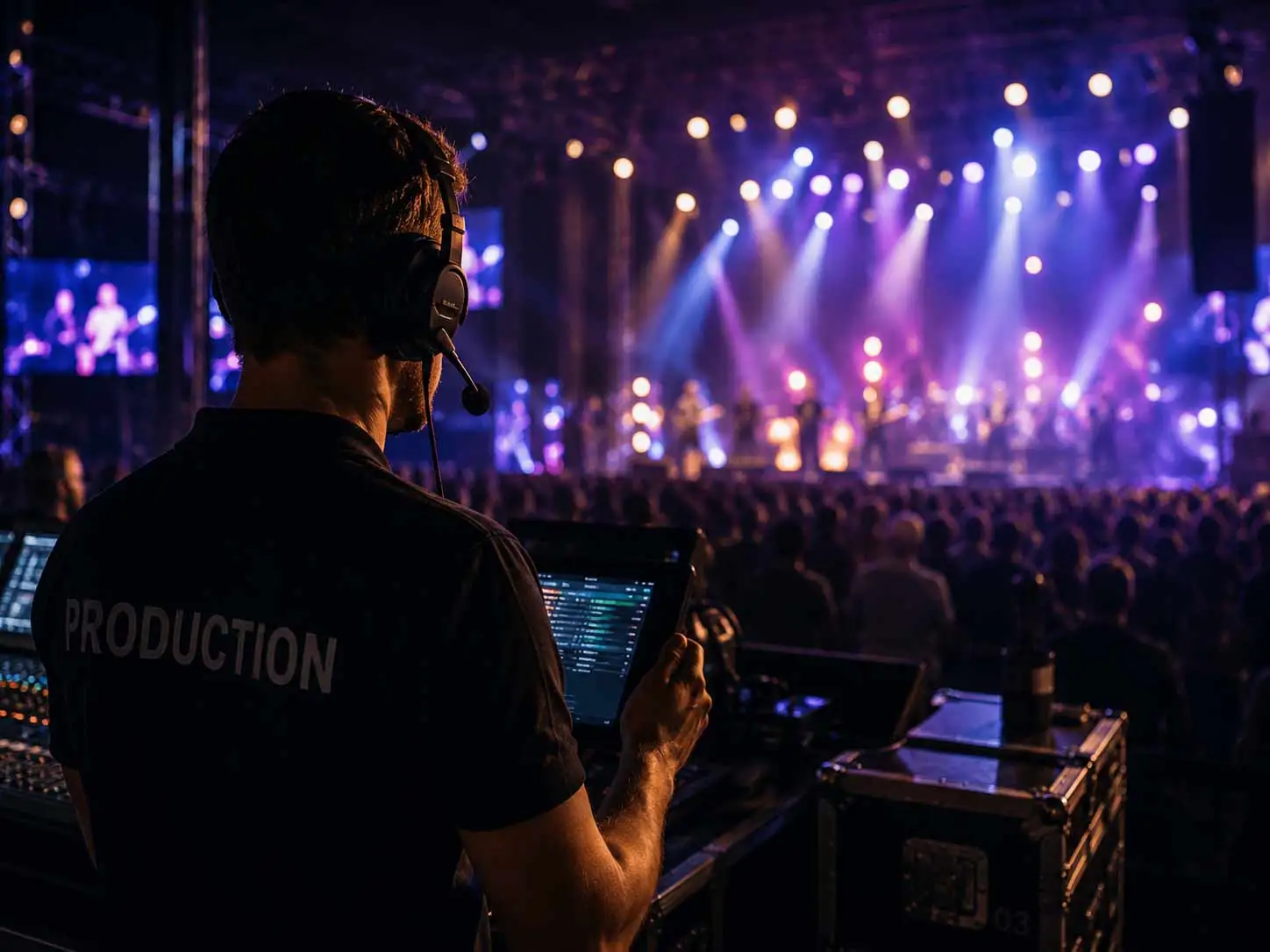
Production Schedule Planning for Organized Event Days.
Ronter Sound Events creates production schedules that organize setup, vendor arrivals, rehearsals, technical checks, event timing and event-day operations into one clear working plan.
A production schedule gives every team a clear place in the event day.
The production schedule is not only a list of times. It connects venue access, load-in, vendor arrivals, setup order, rehearsals, technical checks, program readiness, breakdown and event-day communication into one operational plan.
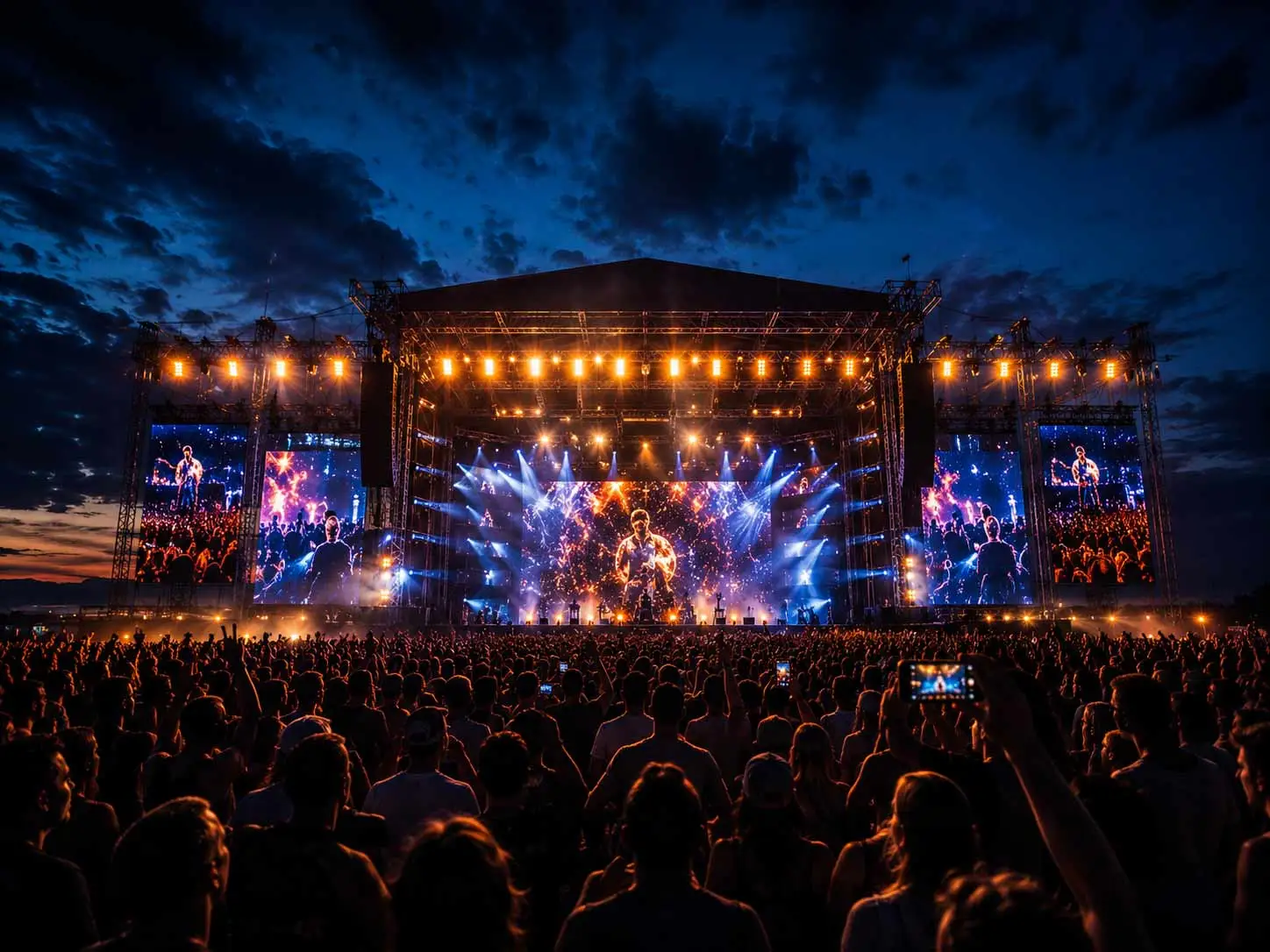
The event day works better when every team knows when their part begins.
Sound, lighting, entertainment, venue staff, photo, video, vendors and event coordination all depend on timing. If one team arrives late, sets up in the wrong order, or misses a readiness point, the rest of the event can feel rushed.
A clear production schedule protects the event by giving each moving part a time, a sequence and a relationship to the full event flow.
The schedule should control the work before the event becomes visible.
Planning when equipment, vendors, production teams and support staff arrive at the venue.
02 Setup OrderOrganizing the order of installation so sound, lighting, stage, vendors and room layout do not conflict.
03 Vendor TimingCoordinating vendor arrival, service timing, readiness checks and communication points.
04 Event TimingConnecting production timing with guest arrival, program moments, entertainment, speeches and transitions.
05 Breakdown OrderPlanning teardown, vendor departures, equipment removal and closing responsibilities after the event.
From production needs to a working event-day schedule.
Production Scope
We review the event type, venue access, vendors, technical needs, entertainment, guest timing and event format.
Setup Sequence
Arrival, load-in, setup, vendor placement, technical checks and room readiness are placed into a logical order.
Program Support
The production schedule is connected to the event timeline, run of show, stage flow and guest-facing moments.
Event-Day Operations
The schedule becomes a reference point for coordination, adjustments, vendor communication and closing movement.
Production scheduling changes depending on the event.
Concerts, festivals, corporate events, weddings, community events and private celebrations each need different scheduling logic because their vendors, access points, program flow and production needs are different.

The guest experience depends on the schedule guests never see.
Guests do not see vendor arrival windows, technical checks, rehearsal timing or setup order. They only feel whether the event is ready, calm and moving naturally.
Production scheduling helps the team control those invisible details before they become visible problems.
The production schedule should connect every operational layer.
The production schedule should support the larger timeline of the event.
02 Logistics PlanningAccess, movement, setup, vendor activity and breakdown should follow one operational structure.
03 Live Program SupportFor live programs, the production schedule should support show calling and cue-based execution.
04 Stage ReadinessSpeakers, performers, hosts and stage teams need timing before the program begins.
05 Load-Out PlanningThe closing schedule should organize vendor departures, equipment removal and venue requirements.
Tell us what needs to be built, checked, ready and removed.
Send the event date, location, event type, guest count, vendors and production elements involved. We’ll help define the production schedule support that fits your event.