
Theater Concerts
Theater concerts often need controlled stage focus, clear performance timing, artist support, strong vocal presence and a production flow that respects the seated audience.
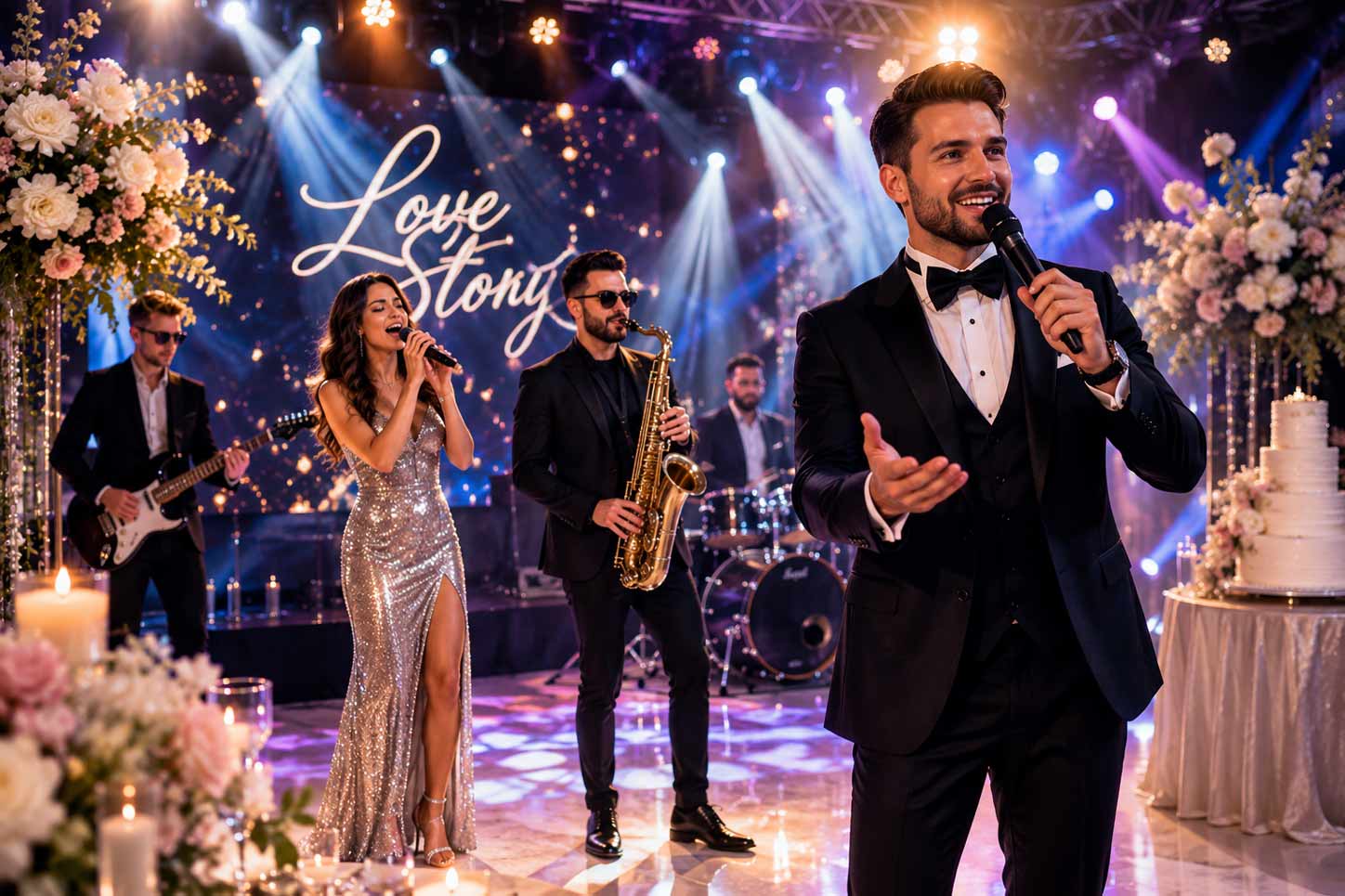
Ronter Sound Events supports indoor concerts with coordinated sound, lighting, stage flow, artist technical support and onsite production management for theaters, venues, halls, private spaces and performance rooms.
The ceiling height, stage position, audience layout, room acoustics, lighting angles, backstage access and performance schedule all affect the show. Indoor concert production works best when these details are planned together instead of handled separately.
Indoor concerts can feel intimate, powerful and controlled when the production is built around the actual space. A theater, ballroom, performance hall, club, gallery or private venue each creates a different environment. The production plan should respond to that room, not force every concert into the same format.
Sound support planned around room acoustics, audience coverage, speech clarity, live instruments, vocals, playback and the natural behavior of the venue.
02Lighting support for performers, stage focus, mood, timing and the visual rhythm of the indoor concert experience.
03Technical planning that connects sound, lighting, stage needs, venue limitations, crew timing and the full live show environment.
04Stage flow support for performer entrances, transitions, schedule timing, backstage movement and key moments during the show.
05Support for artist requirements, microphones, playback needs, setup details, performance communication and technical coordination.
06Photo coverage planned around stage lighting, artist moments, audience energy and the atmosphere of the indoor venue.
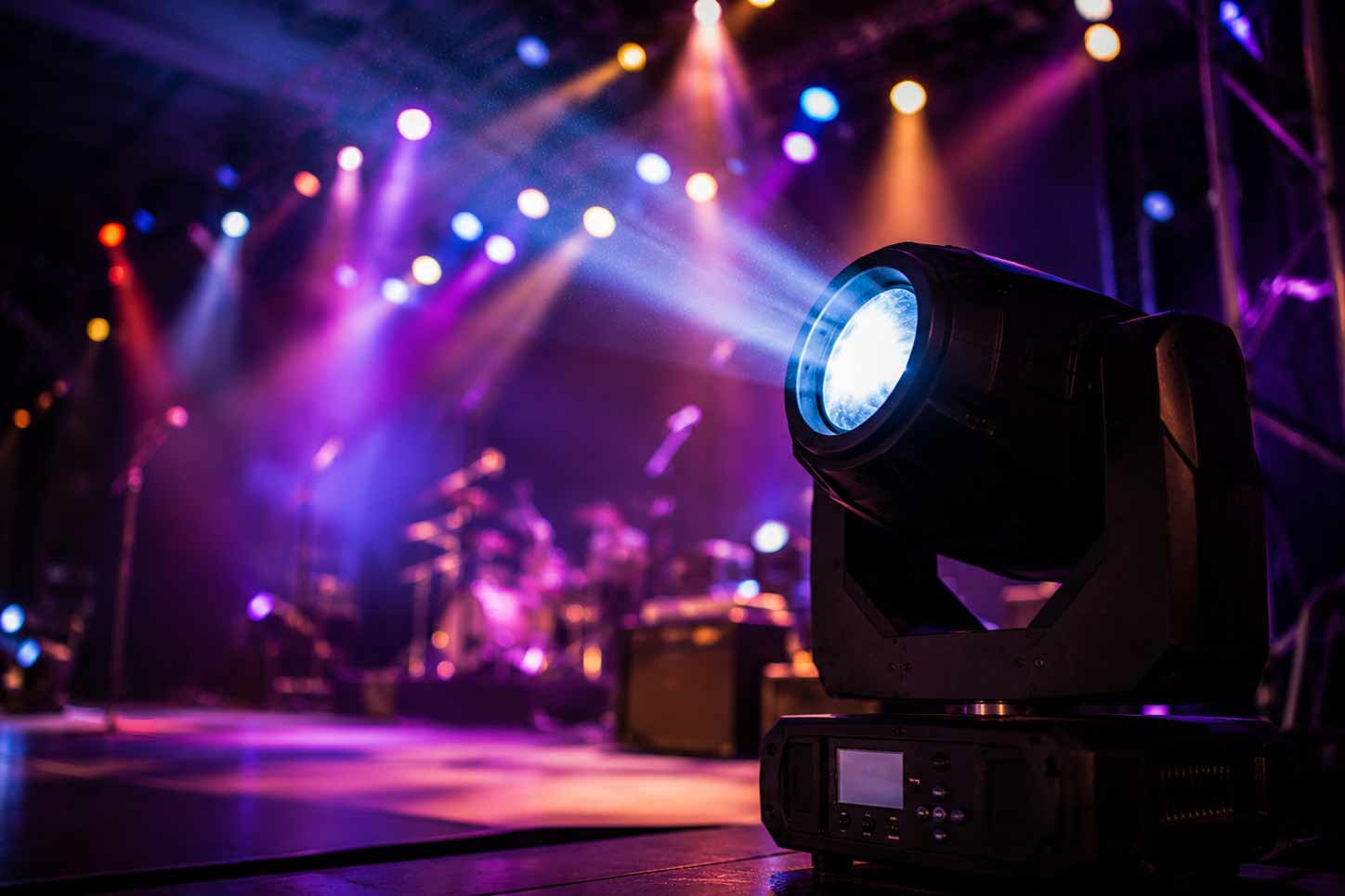
Indoor concert production starts with understanding the space. A small venue may need controlled volume, clear vocal presence and a lighting plan that keeps the stage alive without overwhelming the room. A theater may need more structured timing, stage movement, artist support and visual focus. A larger hall may require stronger audience coverage, clean transitions and a more detailed production schedule.
Ronter Sound Events connects the technical and operational parts of the show so the room supports the performance. The audience should feel close to the music, the artist should feel prepared, and the production should move without pulling attention away from the show.
A concert inside a room gives the production team more control, but also creates specific responsibilities. Reflections, stage depth, ceiling height, power access, guest movement, backstage areas and sightlines all influence how the event should be planned.
Theater concerts often need controlled stage focus, clear performance timing, artist support, strong vocal presence and a production flow that respects the seated audience.
Venue-based concerts may involve standing audiences, mixed music formats, host moments, lighting changes, technical transitions and a faster live show rhythm.
Larger indoor halls require attention to audience coverage, room balance, stage visibility, entry flow, artist communication and clean coordination between teams.
Indoor concert planning is about making the space work for the performance. The process begins with the room, then moves into artist needs, sound, lighting, schedule, stage flow, audience layout and onsite coordination.
We review the venue type, room size, stage position, audience layout, access, timing and practical production conditions before shaping the plan.
We clarify the artist lineup, performance format, soundcheck needs, playback, microphones, instruments, transitions and any technical requirements.
Sound and lighting are planned around the room, the stage, the audience position and the emotional rhythm of the performance.
The schedule, stage movement, introductions, performance order, media moments and transitions are organized into a clear live event flow.
During the concert, onsite production support helps keep performers, technical timing, stage movement and audience experience connected.

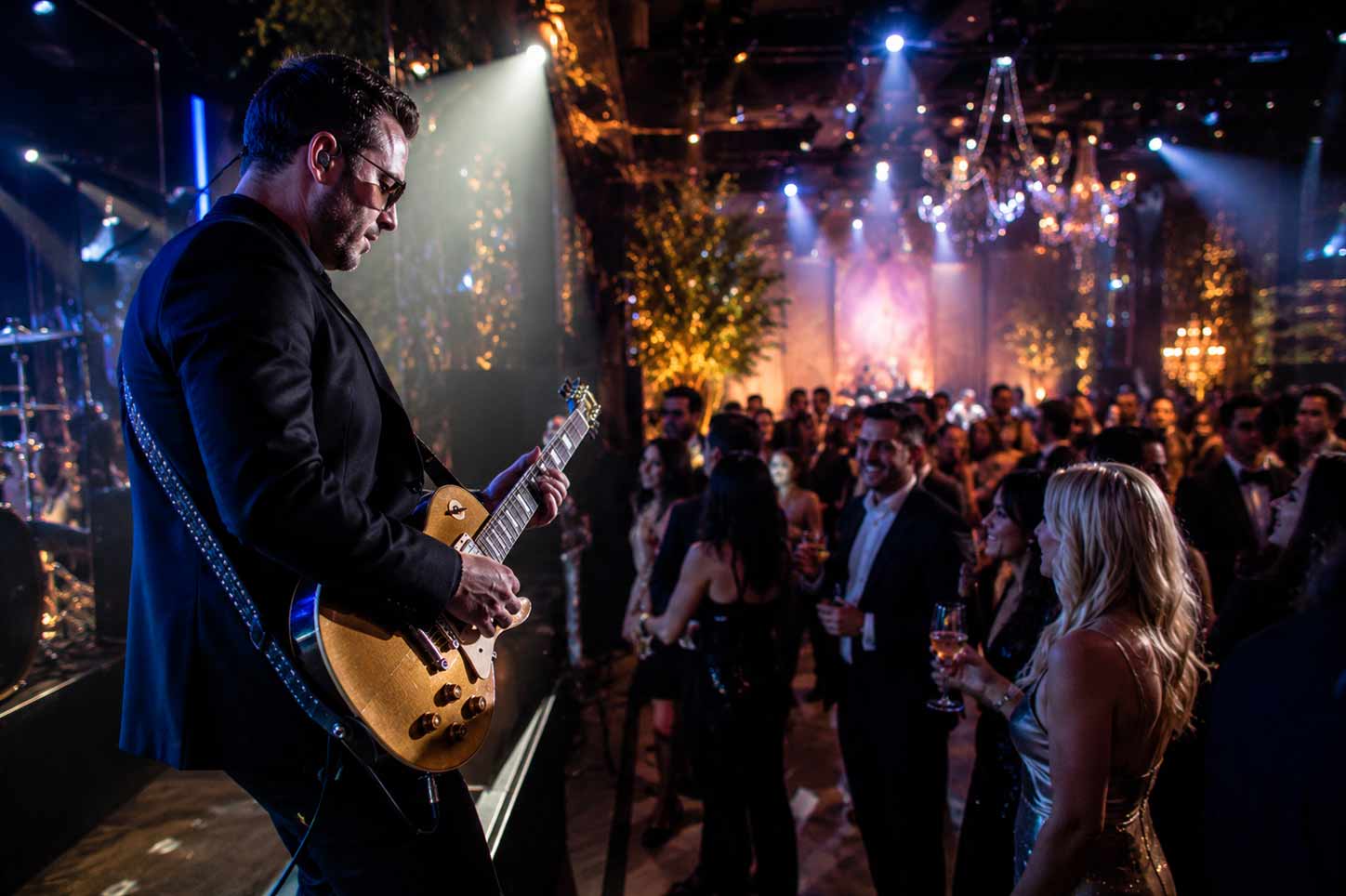
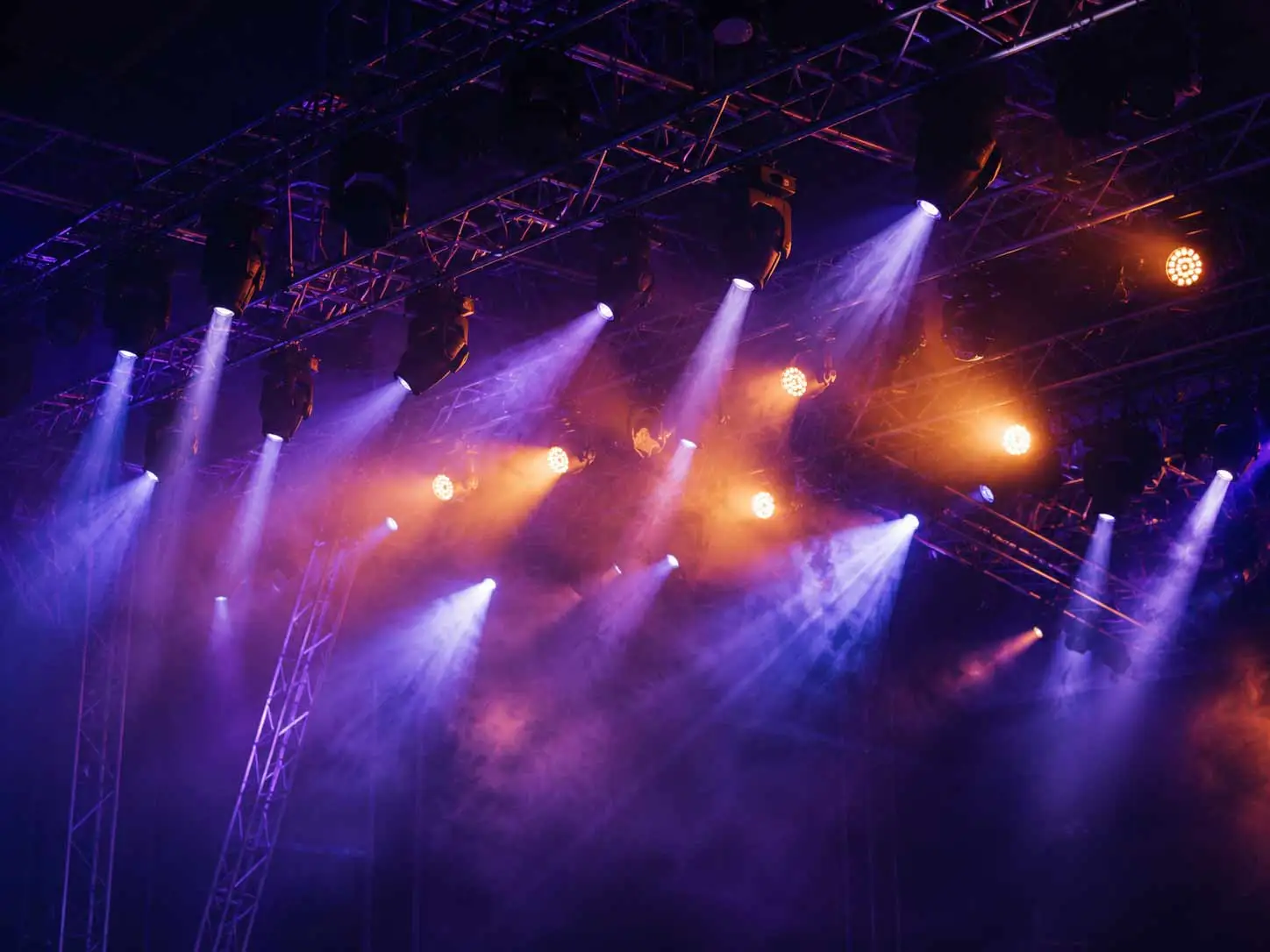
Indoor rooms react differently to sound. Hard surfaces, low ceilings, balconies, corners, audience density and stage placement can all change how the performance is heard. A good indoor concert plan considers the audience experience across the room, not only near the stage.
The goal is to support the performance with sound that feels clear and natural for the audience while giving performers the confidence they need on stage. When sound is planned together with show timing, lighting and stage flow, the concert feels more connected.
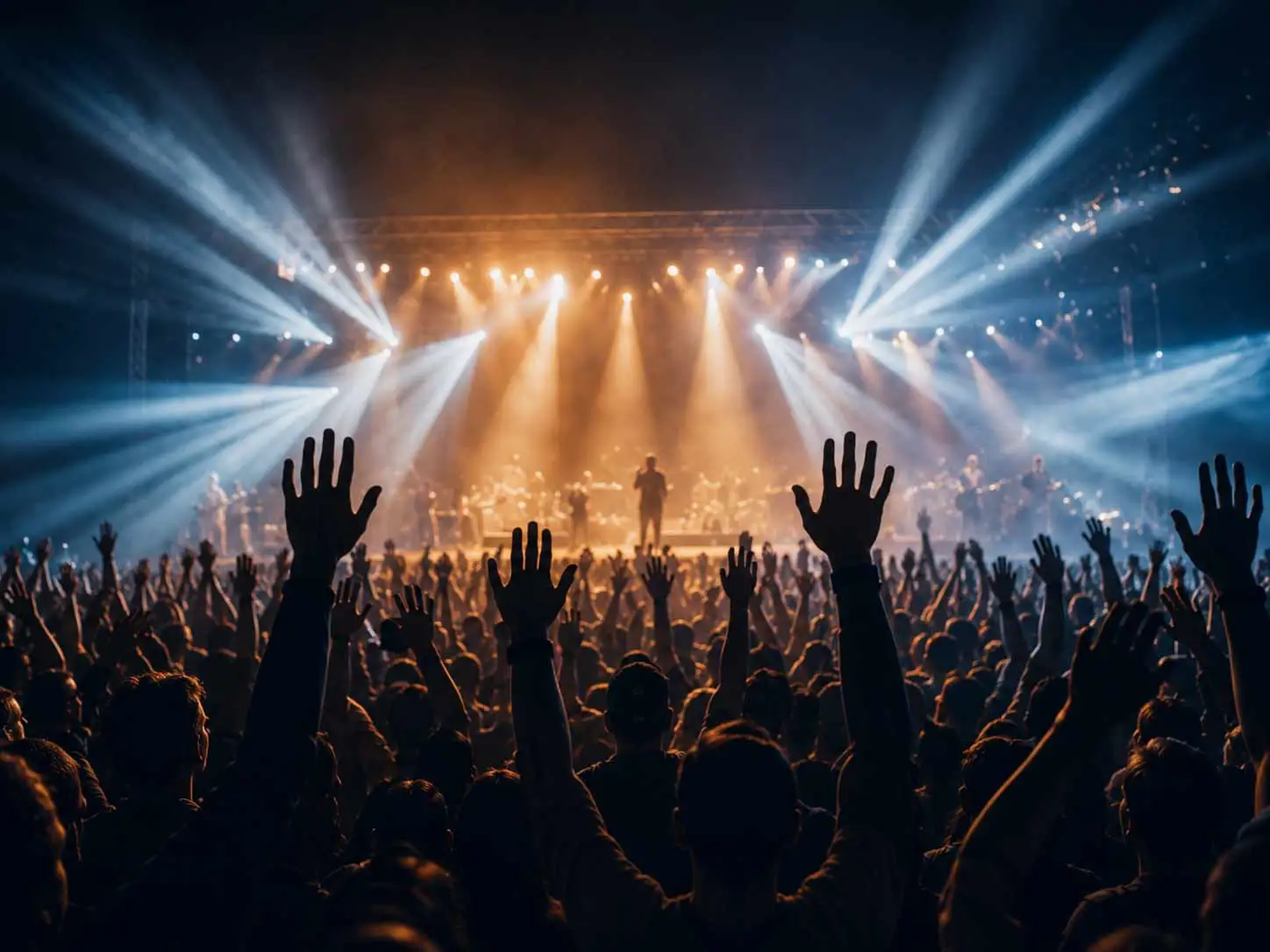
The details that make an indoor concert feel smooth are often invisible to the audience. They include the way performers are supported, how transitions are handled, when the room changes mood, how the audience moves, and how the technical side responds during the show.
A clear run of show helps organize soundcheck, doors, performance order, host moments, transitions, media coverage and final close.
CuesShow calling supports timed moments when stage, lighting, audio, performers and event flow need to move together.
DirectionTechnical direction connects venue conditions, artist needs, production scope and onsite execution into one practical plan.
ScheduleTimeline planning keeps the indoor concert organized from setup and soundcheck through guest arrival, performance and breakdown.
BackstageBackstage management helps support performers, stage access, readiness, communication and movement behind the visible part of the show.
BacklineBackline coordination helps align instruments, stage needs and performer requirements before the live show begins.

Indoor concerts can create a powerful sense of closeness between the artist and the audience. When the room is planned correctly, the stage feels focused, the sound feels present, the lighting supports the music and the audience stays connected to the performance.
That is the purpose of indoor concert production: to make the room support the show instead of becoming an obstacle to it.
Concert PortfolioIndoor concert production is the planning and coordination of the technical and operational parts of a live concert inside a venue. It can include sound, lighting, stage flow, artist support, timing, media coverage, onsite management and breakdown.
Indoor concerts are shaped by the room. Acoustics, ceiling height, audience layout, stage position, backstage access, venue rules and sightlines all affect the production plan. Outdoor concerts require different planning around site conditions and open-air coverage.
Yes. Indoor concert support can be planned for theaters, performance venues, halls, private event spaces and other indoor environments where the room, stage and audience experience need to work together.
Yes. Indoor sound and concert lighting can be planned together as part of one production process so the performance feels more connected and the room supports the show.
Yes. Artist technical support can be included for microphones, playback, instruments, stage setup, soundcheck timing, performance requirements and show communication.
Yes. Concert photography, video coverage and event documentation can be connected to the production plan so the stage, artist moments and audience atmosphere are captured with intention.
Share the date, venue, room type, artist lineup, expected audience size and the production support you need. Ronter Sound Events will help shape an indoor concert plan around the venue, the performers and the audience.
Concerts, corporate events, private celebrations, sound systems, lighting, stage production and entertainment.