
Instrument Placement
Instrument placement affects stage movement, microphone positions, monitor needs, visibility, performer comfort and the practical flow of the show.
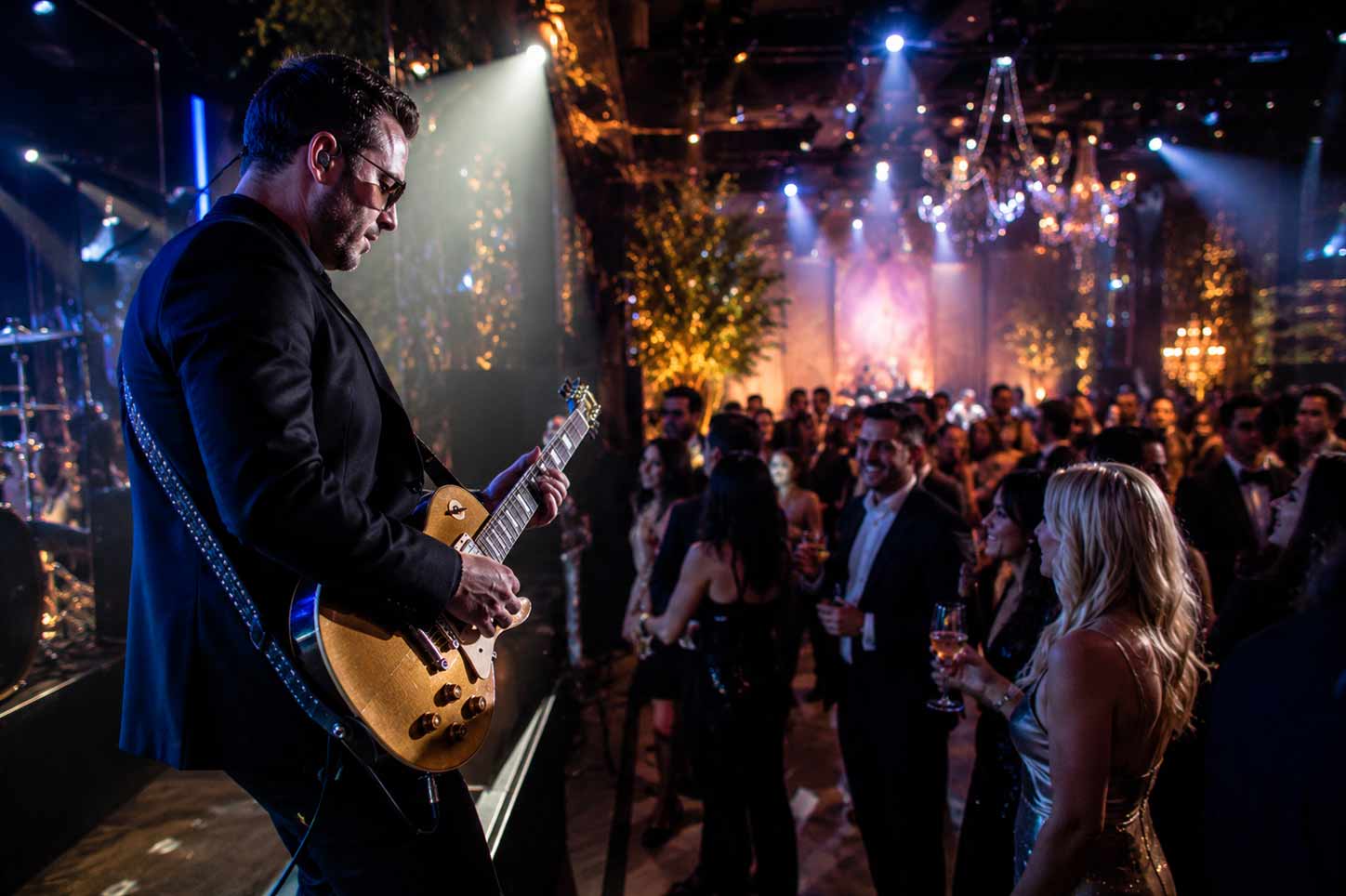
Ronter Sound Events supports concert backline coordination with planning around instruments, amplifiers, musician needs, stage setup, artist requirements, soundcheck timing and onsite production communication for live performances.
Backline coordination connects the practical details performers rely on: instruments, amplifiers, stage placement, monitor needs, soundcheck order, changeovers, artist notes and communication between musicians, stage management and the production team.
Backline coordination helps make the performance environment clear before the artist steps on stage. It is not just about placing instruments. It is about understanding what musicians need, how the stage should be arranged, how soundcheck should move, what transitions need attention and how the live show will be supported from setup to breakdown.
Artist technical support helps connect performer requirements, setup details, microphones, playback, instruments and soundcheck needs to the production plan.
02Stage management supports musician readiness, entrances, transitions, timing, backstage communication and live stage flow.
03Stage monitor planning helps performers hear what they need during soundcheck and the live show.
04Live sound support connects vocals, instruments, playback, monitor needs and audience coverage into the concert experience.
05Technical direction helps align stage needs, venue conditions, artist requirements and the practical execution of the show.
06Performance support connects backline, stage flow, artist needs, sound, lighting and onsite coordination around the live moment.
During a concert, the stage moves quickly. Musicians arrive, instruments are placed, microphones are checked, monitors are adjusted, playback may need to be tested and the performance schedule continues moving. Backline coordination helps those details become part of the plan instead of becoming last-minute confusion.
Ronter Sound Events supports the practical stage environment around musicians and performers. We help align artist notes, stage placement, soundcheck order, technical needs and onsite communication so the performance can begin with more confidence.
Backline coordination can involve simple setup support or a more detailed musician plan. The important part is that each requirement is understood in relation to the full concert: the stage size, performer lineup, sound plan, transitions, lighting positions, backstage access and timing of the show.
Instrument placement affects stage movement, microphone positions, monitor needs, visibility, performer comfort and the practical flow of the show.
Amplifier placement and coordination help support musicians while keeping the stage organized for sound, lighting and performance movement.
When multiple performers or bands share a stage, backline coordination helps transitions happen with less confusion and more control.
Backline coordination begins with the performer requirements and ends with a stage that is ready for the musician. The goal is to make the live performance feel prepared, organized and natural.
We review the artist needs, instruments, amplifier requirements, stage setup, playback needs, microphone needs and performance format.
Instrument positions, performer locations, monitor placement, stage access and technical paths are aligned with the venue and show plan.
Soundcheck timing, musician order, monitor needs, microphone checks and technical details are organized before the performance begins.
During the event, backline support helps keep musician needs, stage movement, transitions and production communication connected.
After the performance, backline details are supported through stage clearing, equipment movement, breakdown coordination and load-out timing.
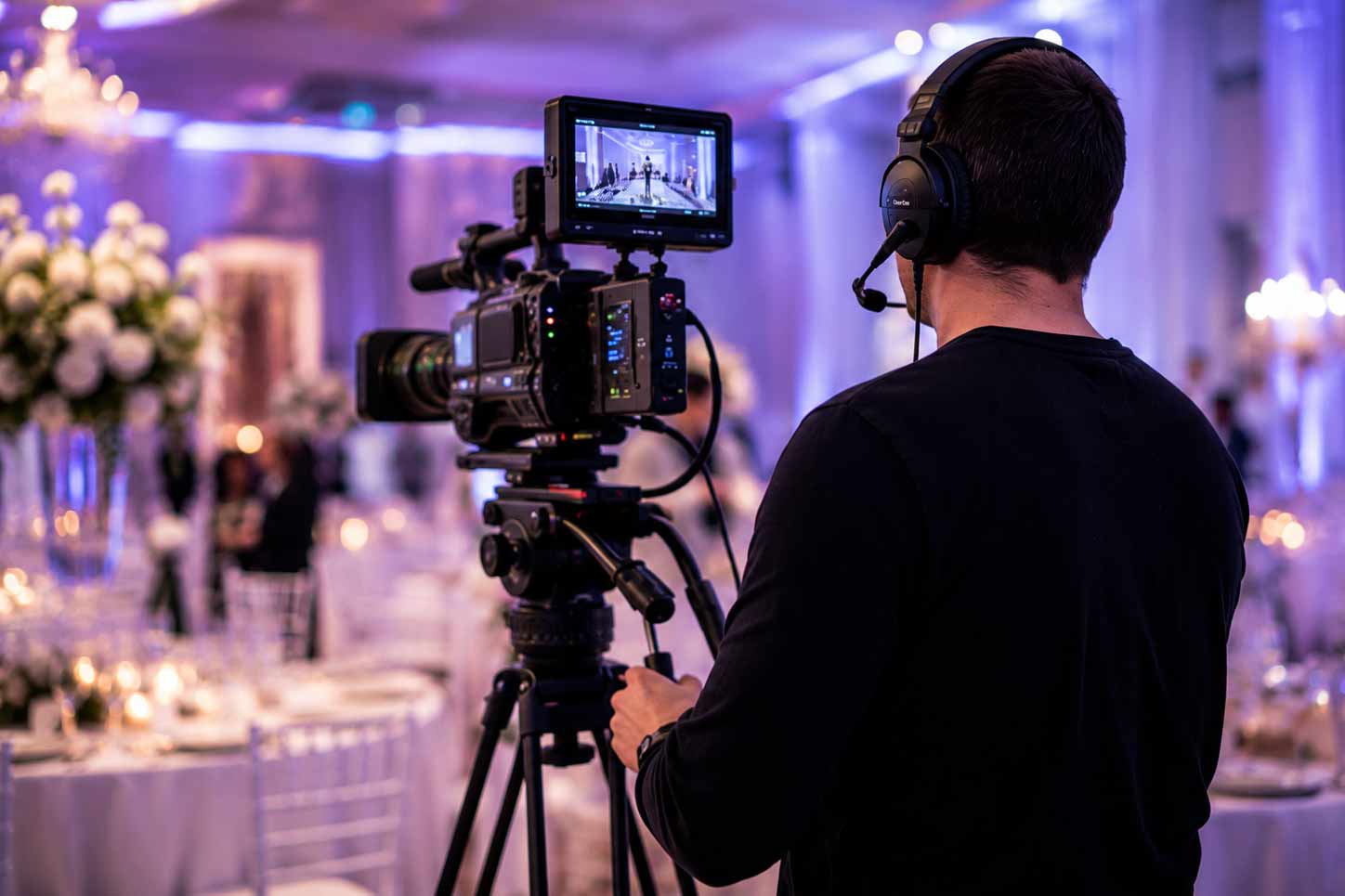


Musicians should not be trying to solve stage setup problems during the moments before a performance. The stage should already reflect the needs of the show: where players stand, what they need to hear, how instruments are positioned, how soundcheck moves and how the next transition will happen.
This is especially important for bands, touring artists, multi-performer concerts and shows with limited setup time. When backline is coordinated properly, the stage feels calmer and the performance has a stronger foundation.
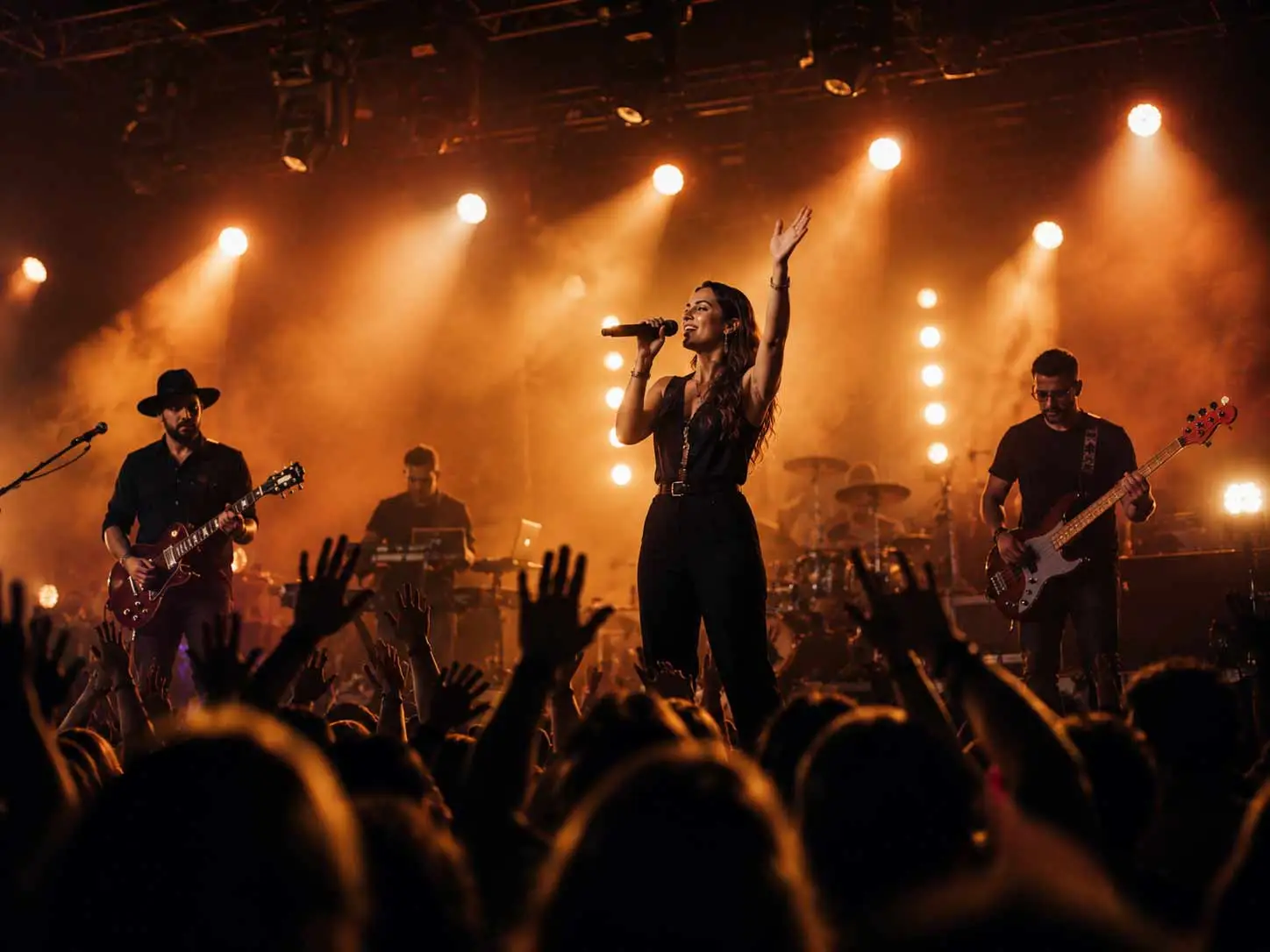
Backline does not stand alone. It affects the live sound plan, stage layout, performer movement, technical direction, run of show, lighting positions and backstage communication. When those pieces are connected, the concert feels more controlled from the production side and more natural from the audience side.
Audio engineering support helps translate musician needs into the live sound environment during setup, soundcheck and showtime.
MixingDigital mixing supports live performance control, input management, soundcheck structure and the needs of different performers.
MonitorsMonitor mixing helps performers hear what they need on stage so they can stay connected to the performance.
TimingA clear run of show helps align musician arrival, soundcheck order, stage changeovers, performance timing and final close.
Load-inLoad-in coordination supports timing, access, stage preparation and the movement of equipment into the performance space.
Load-outLoad-out coordination helps the show close cleanly after the performance, including equipment movement and breakdown timing.

The audience may not notice backline coordination directly, but they feel the difference when the performance starts cleanly, musicians are ready, transitions are controlled and the stage does not feel chaotic.
That is the purpose of backline coordination: to prepare the practical stage details so performers can focus on the music and the audience can stay inside the show.
Concert PortfolioBackline coordination is the planning and management of the practical musician equipment and stage details needed for a live performance. It can include instruments, amplifiers, stage placement, monitor needs, soundcheck order, musician requirements and changeover support.
Backline coordination is useful for bands, musicians, touring artists, multi-performer concerts and live events where instruments, amplifiers, stage layout or changeovers need to be organized before the show.
Yes. Backline coordination can be included inside a larger concert production plan with sound, lighting, stage management, artist technical support, performance support and onsite production management.
Yes. Soundcheck planning can be part of backline coordination because instrument placement, monitor needs, microphones and musician order affect how soundcheck should move.
Yes. Backline coordination is especially helpful when multiple artists share the same stage and the show needs clean transitions, prepared stage positions and clear communication.
Yes. Touring artists can be supported through requirement review, local stage planning, backline coordination, soundcheck timing and onsite production communication.
Share the date, venue, performer lineup, instruments, stage setup, soundcheck needs, schedule and any specific artist requirements. Ronter Sound Events will help shape a backline coordination plan around the musicians, the stage and the live show.
Concerts, corporate events, private celebrations, sound systems, lighting, stage production and entertainment.