
Show Review
We review the concert format, performer lineup, venue conditions, show order, timing, stage needs and any special production moments.
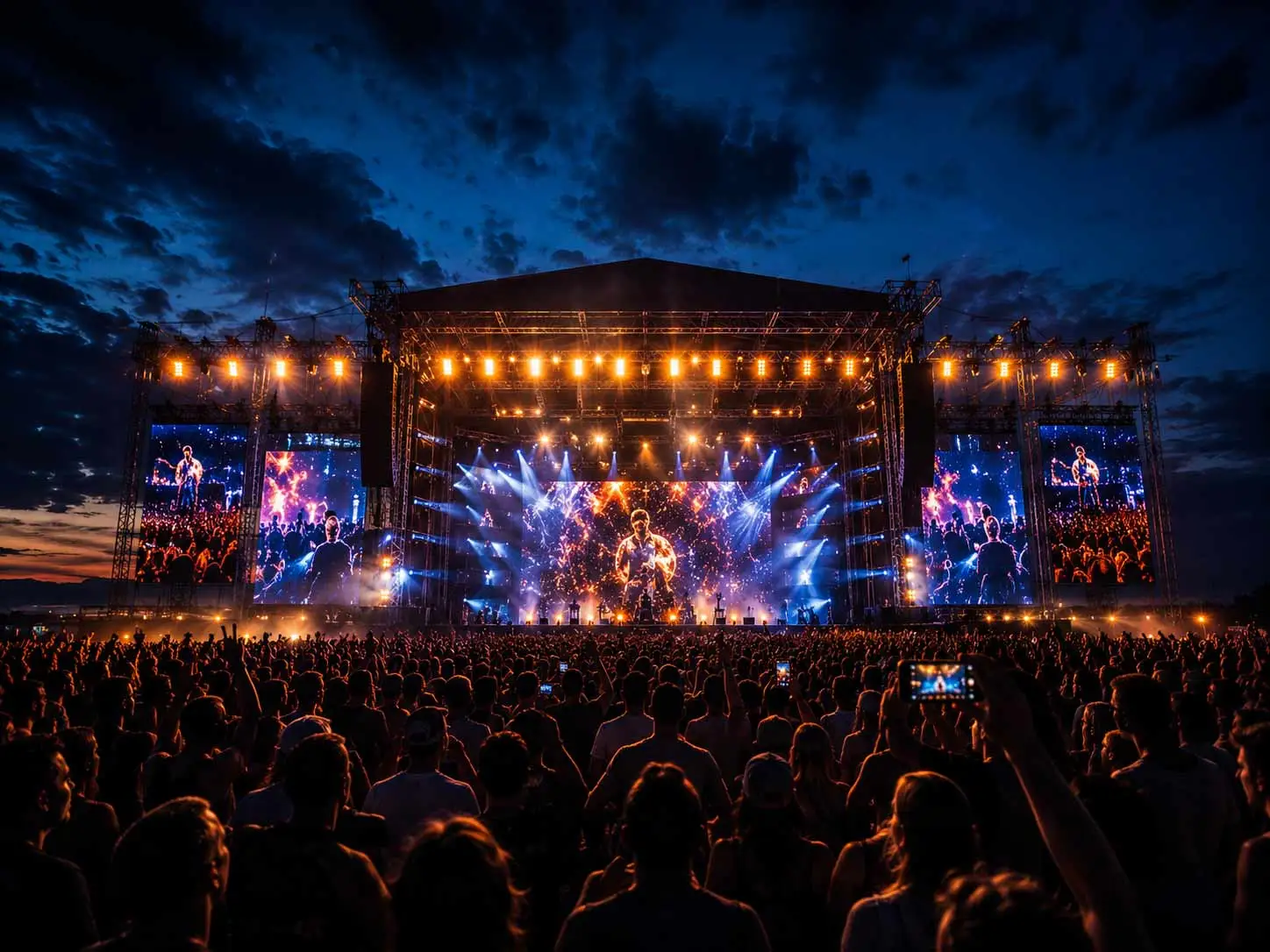
Ronter Sound Events supports concert stage management with performer coordination, stage flow, timing, backstage communication, technical alignment, run of show support and onsite production management for live music events.
A concert stage needs more than performers and equipment. It needs clear timing, prepared transitions, backstage readiness, communication between teams and someone watching how the live event is moving from moment to moment.
Concert stage management helps the performance side and the production side stay connected. It supports artist arrivals, soundcheck timing, stage readiness, performer movement, transition cues, backstage communication, show order, technical needs and the real pace of the live event.
A clear run of show gives structure to soundcheck, doors, introductions, performance order, transitions, key cues, media moments and final close.
02Show calling supports timed moments when performers, audio, lighting, stage movement and event flow need to happen together.
03Backstage management helps keep performers ready, communication clear, access controlled and stage movement organized before and during the show.
04Artist technical support connects performer requirements, setup details, playback, microphones, instruments and soundcheck needs to the stage plan.
05Backline coordination supports instruments, amplifiers, musician needs, stage placement and the practical details performers rely on.
06Onsite production support keeps the stage management process connected to the full event environment during setup, showtime and breakdown.
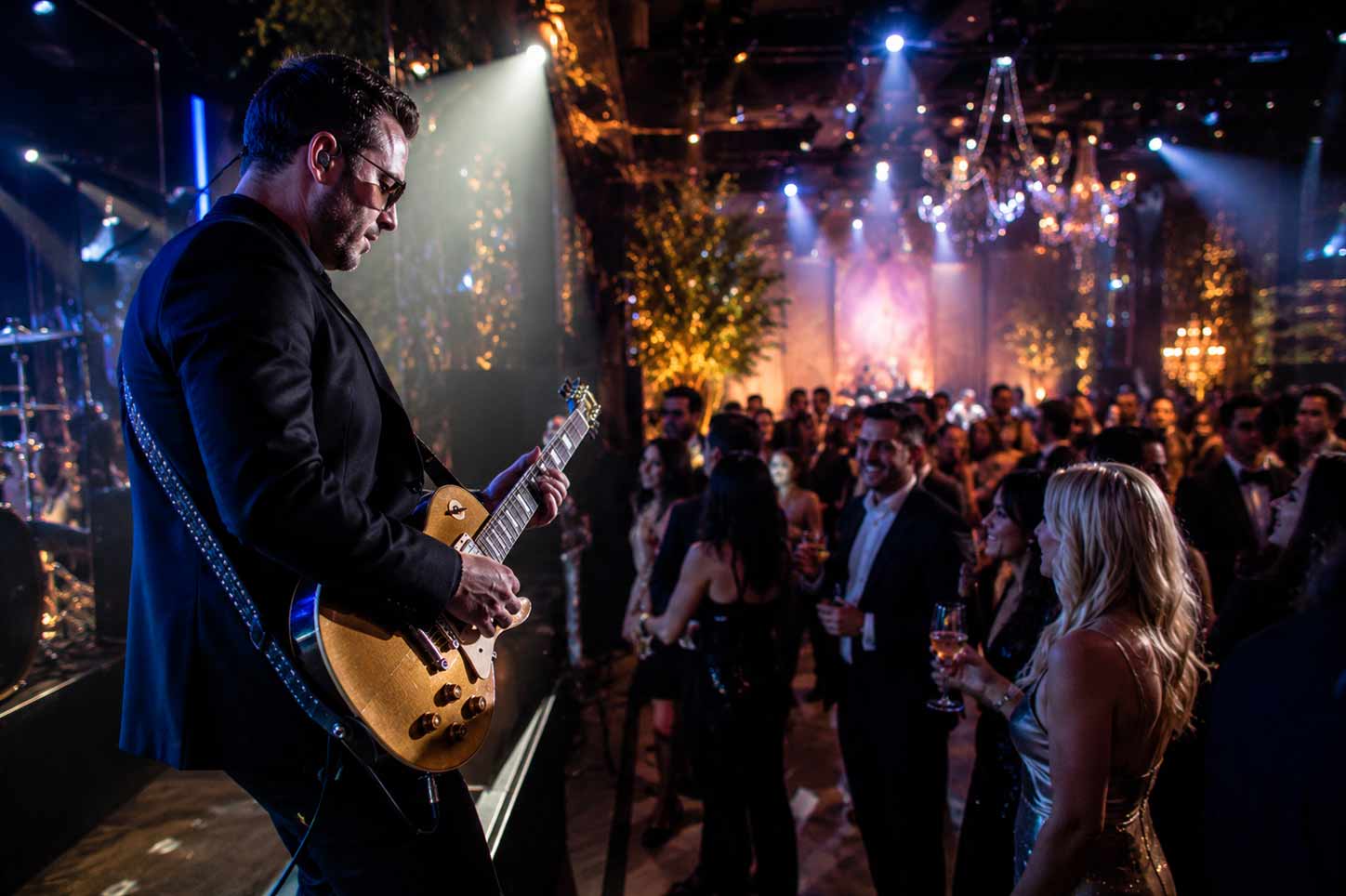
During a concert, the audience sees the visible part of the show: performers entering, music starting, lights changing, transitions happening and the energy moving from one moment to the next. Behind that visible experience, stage management helps the right people be ready at the right time.
Ronter Sound Events supports stage operations so performers, crew, technical needs and timing do not move separately. The goal is to make the concert feel smooth without making it feel over-managed.
A concert may have one artist or several performers. It may include a host, opening act, live band, DJ, speakers, media moments or sponsor remarks. Stage management helps those pieces move in order and keeps the production team focused on the same live timeline.
Indoor concerts often need careful stage movement, backstage readiness, transition timing and show flow that fits the room.
OutdoorOutdoor concerts require stage management that accounts for site conditions, larger audience movement, access points and production timing.
TouringTouring productions need local stage support that understands the touring show, artist requirements and venue-specific conditions.
The strongest stage management happens before the performance begins. The show order, stage needs, artist requirements, soundcheck timing, cues, transitions and backstage communication should be understood before the event is live.
We review the concert format, performer lineup, venue conditions, show order, timing, stage needs and any special production moments.
The performance timeline is organized around soundcheck, guest arrival, artist readiness, introductions, transitions, performance order and final close.
Performers, crew and production contacts are aligned so the stage area is prepared, movement is clear and key people know when they are needed.
During the concert, stage management supports entrances, transitions, cues, readiness, timing and communication between the stage and production team.
After the show, stage management can support artist exit, stage clearing, equipment movement, crew timing and the transition into breakdown.



Backstage is where many live show problems begin or get solved. Performers need to know when they are on. Crew members need clear timing. Technical needs must be ready before the cue arrives. Stage access, instruments, microphones, playback and transitions need a simple structure that people can follow.
Good stage management helps avoid confusion by making the hidden side of the show easier to navigate. This supports the performer and protects the audience experience.
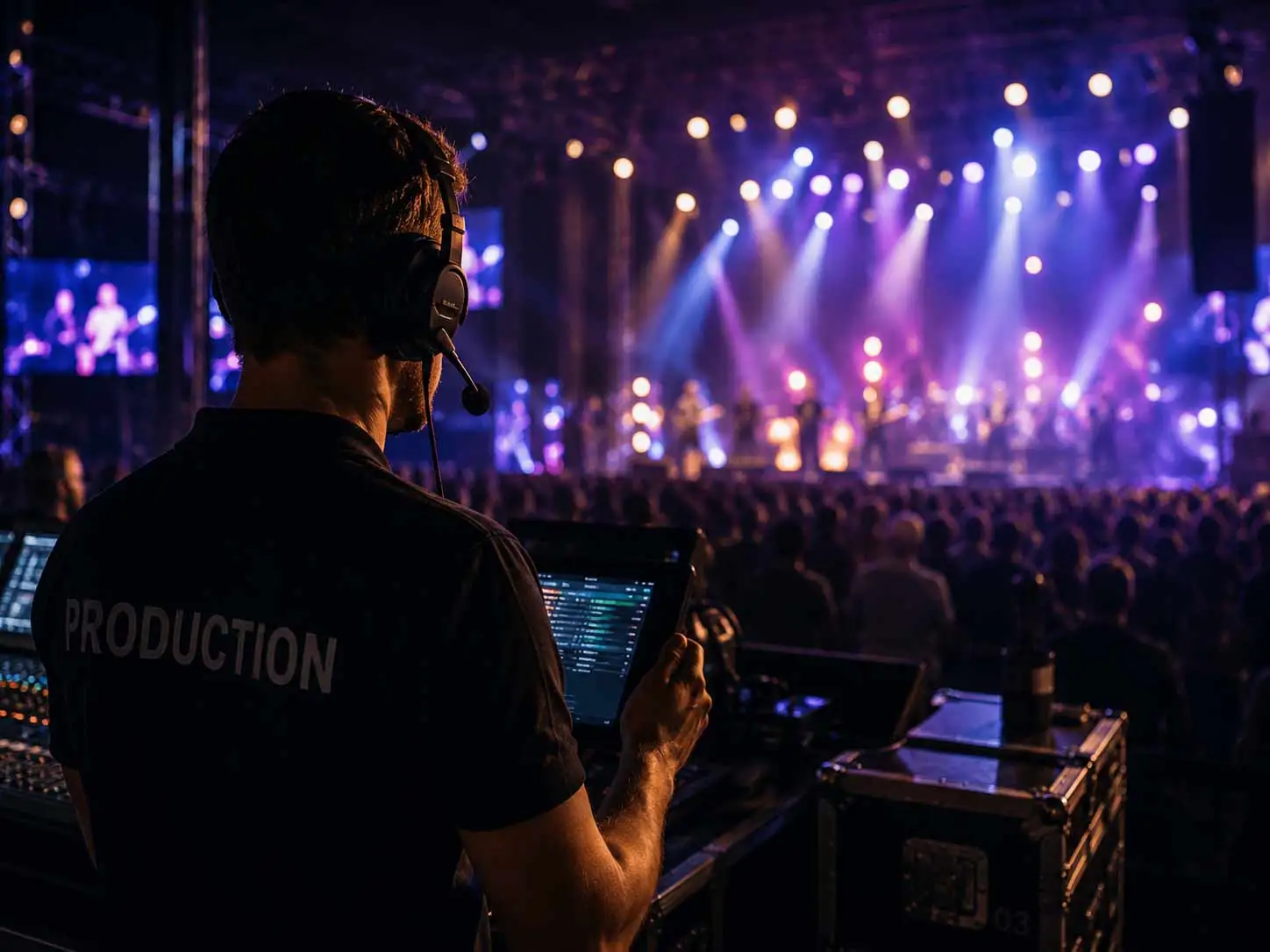
Stage management does not work alone. It connects to sound, lighting, artist support, production management, backstage communication, run of show planning and onsite execution. When those pieces are aligned, the concert feels more controlled and more natural at the same time.
Concert sound supports vocals, instruments, playback, audience coverage, stage monitoring and live performance needs.
LightingConcert lighting supports the stage mood, performer focus, visual rhythm and key moments of the live show.
DirectionTechnical direction connects venue conditions, artist needs, production scope, crew responsibilities and live show execution.
ManagementProduction management supports the larger structure around the show, including scope, communication, timing and onsite leadership.
ScheduleA production schedule helps connect setup, soundcheck, stage readiness, performance timing, breakdown and crew movement.
MediaConcert photography can be coordinated around stage moments, performer timing, audience energy and key visual points in the show.

When stage management is working, the audience feels a concert that moves. Performers enter with confidence, transitions feel intentional, the stage stays focused and the event has a rhythm that supports the music.
That is the purpose of concert stage management: to keep the live performance organized without taking attention away from the moment on stage.
Concert PortfolioConcert stage management is the coordination of performers, stage movement, timing, backstage communication, transitions, cues and stage operations during a live concert or performance event.
Stage management helps the show move smoothly. It keeps performers ready, transitions organized, technical moments aligned and communication clear between stage, backstage and production teams.
Yes. Stage management can be part of a larger concert production plan that also includes sound, lighting, artist technical support, backline coordination, onsite production and event documentation.
Yes. A run of show can be part of the stage management process. It helps organize timing, performance order, transitions, introductions, cues, media moments and final close.
Yes. Stage management is especially useful when a concert includes multiple performers, bands, hosts, speakers, transitions, technical changes or scheduled performance moments.
Yes. Backstage management can be included to support artist readiness, communication, stage access, timing and movement behind the visible part of the show.
Share the date, venue, performer lineup, show format, schedule, stage needs and any production details that require coordination. Ronter Sound Events will help shape a stage management plan around the performers, the timing and the live show.
Concerts, corporate events, private celebrations, sound systems, lighting, stage production and entertainment.