
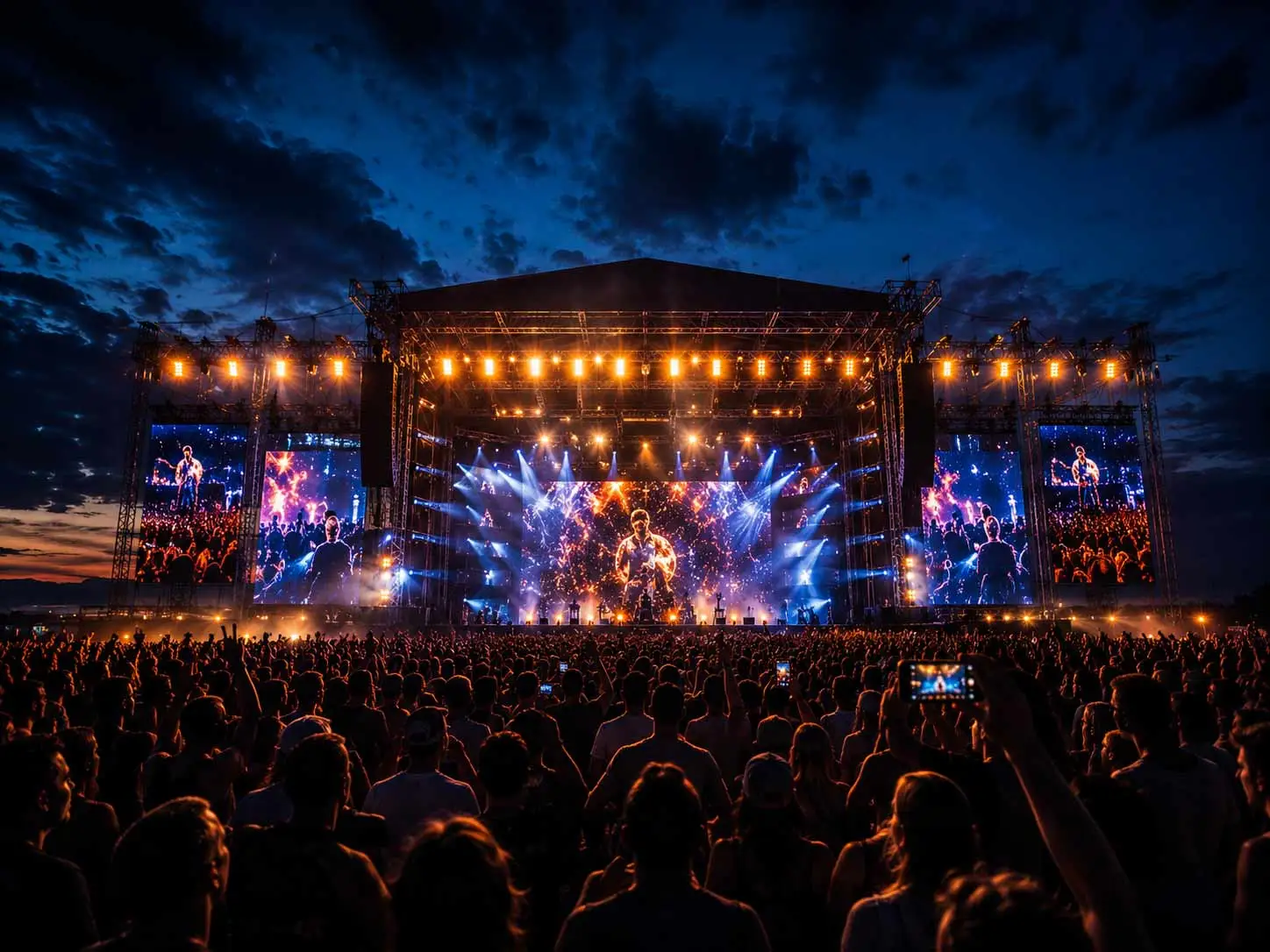
Run of Show Planning for Live Events.
Ronter Sound Events creates structured run of show documents that organize timing, cues, transitions, presenters, performers and production responsibilities into one clear event sequence.
A live event needs more than a schedule. It needs a production sequence everyone can follow.
A run of show connects the visible program with the technical and operational work behind it. It defines what happens, when it happens, who is responsible, and which sound, lighting, stage, presenter or performer cues need to happen at each moment.
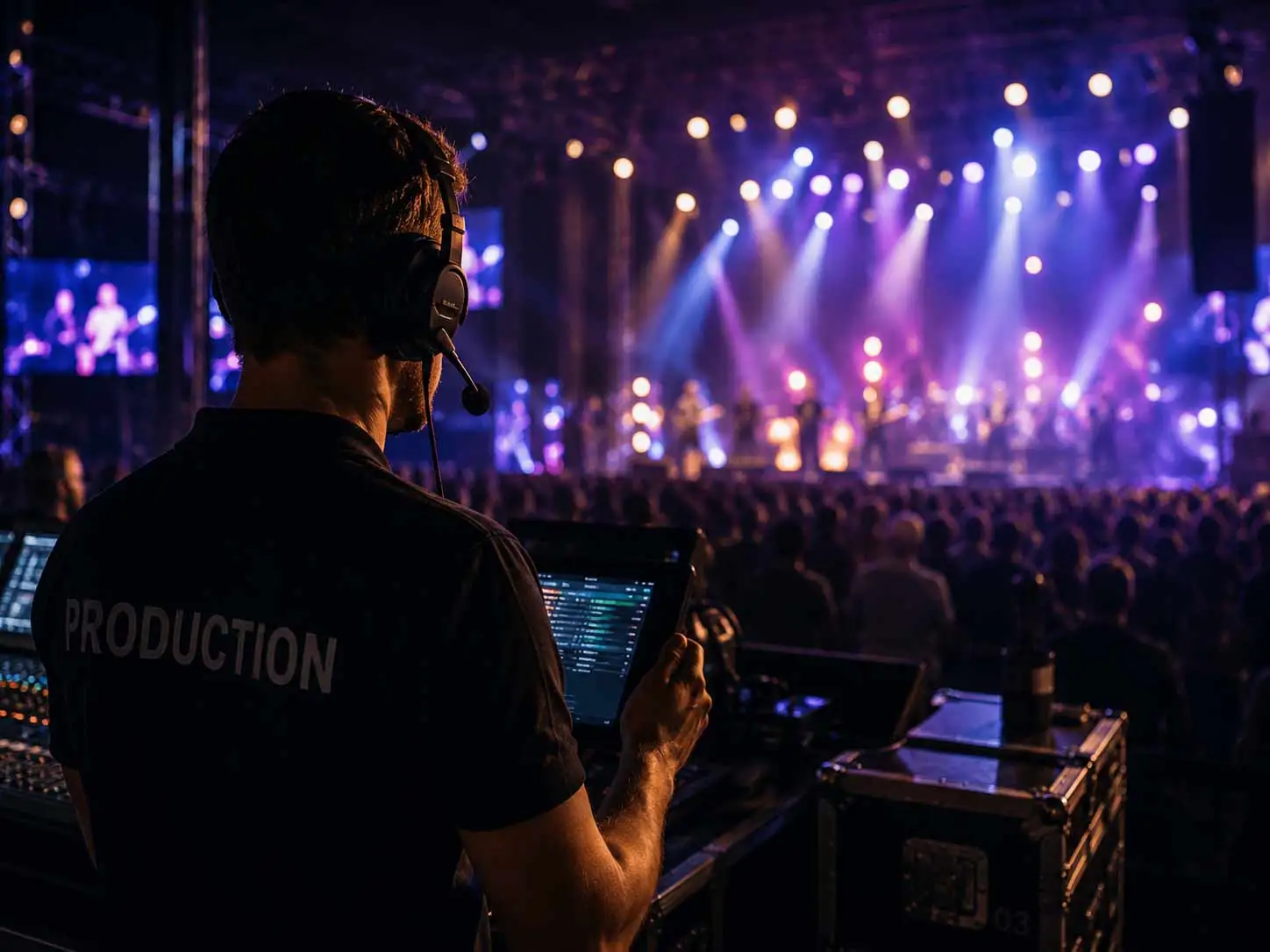
The run of show becomes the shared reference point for the event team.
During a live event, every team needs to understand the same sequence. Presenters need to know when they go on. Performers need to be ready before their moment. Sound, lighting and playback teams need cues before the room sees the transition.
The run of show gives the event one clear structure. It helps reduce confusion, supports timing, and gives production management a document that can be used before and during the event.
Every important moment needs a place in the sequence.
Speeches, presentations, performances, entrances, announcements, transitions, breaks and closing moments.
02 Technical CuesSound, lighting, playback, microphones, screens, staging and show moments connected to the event flow.
03 Team ResponsibilitiesClear notes for who is responsible for each cue, transition, handoff, setup point or live adjustment.
04 Live Cue FlowThe order of calls and actions that guide the event from one moment to the next during the program.
05 Stage MovementPresenter entrances, performer readiness, stage changes, backstage timing and handoffs between segments.
From event details to a usable production document.
Event Details
We start with the event type, location, schedule, guest count, speakers, entertainment, vendors and production needs.
Program Structure
The guest-facing program is organized into a clear sequence of arrivals, openings, formal moments, transitions and closing.
Production Cues
Sound, lighting, stage, playback, presenter, performer and vendor notes are connected to the event timeline.
Event-Day Use
The run of show becomes the working document for production management, show calling and on-site execution.
Run of show planning changes depending on the event.
A corporate program, concert, festival, wedding and private celebration do not move the same way. The run of show should match the format, audience, venue, production scope and live moments involved.

Guests do not see the document. They feel the order behind it.
A good run of show helps the event feel calm, intentional and professionally managed. The right people are ready before each moment starts, transitions happen with fewer delays, and the production team has a shared structure to follow.
This is especially important when the event includes speeches, live entertainment, stage changes, presentations, multiple vendors or time-sensitive moments.
Tell us what needs to happen. We’ll help organize the show flow.
Send the event date, location, event type, guest count and the production elements involved. We’ll help define the run of show support that fits your event.