
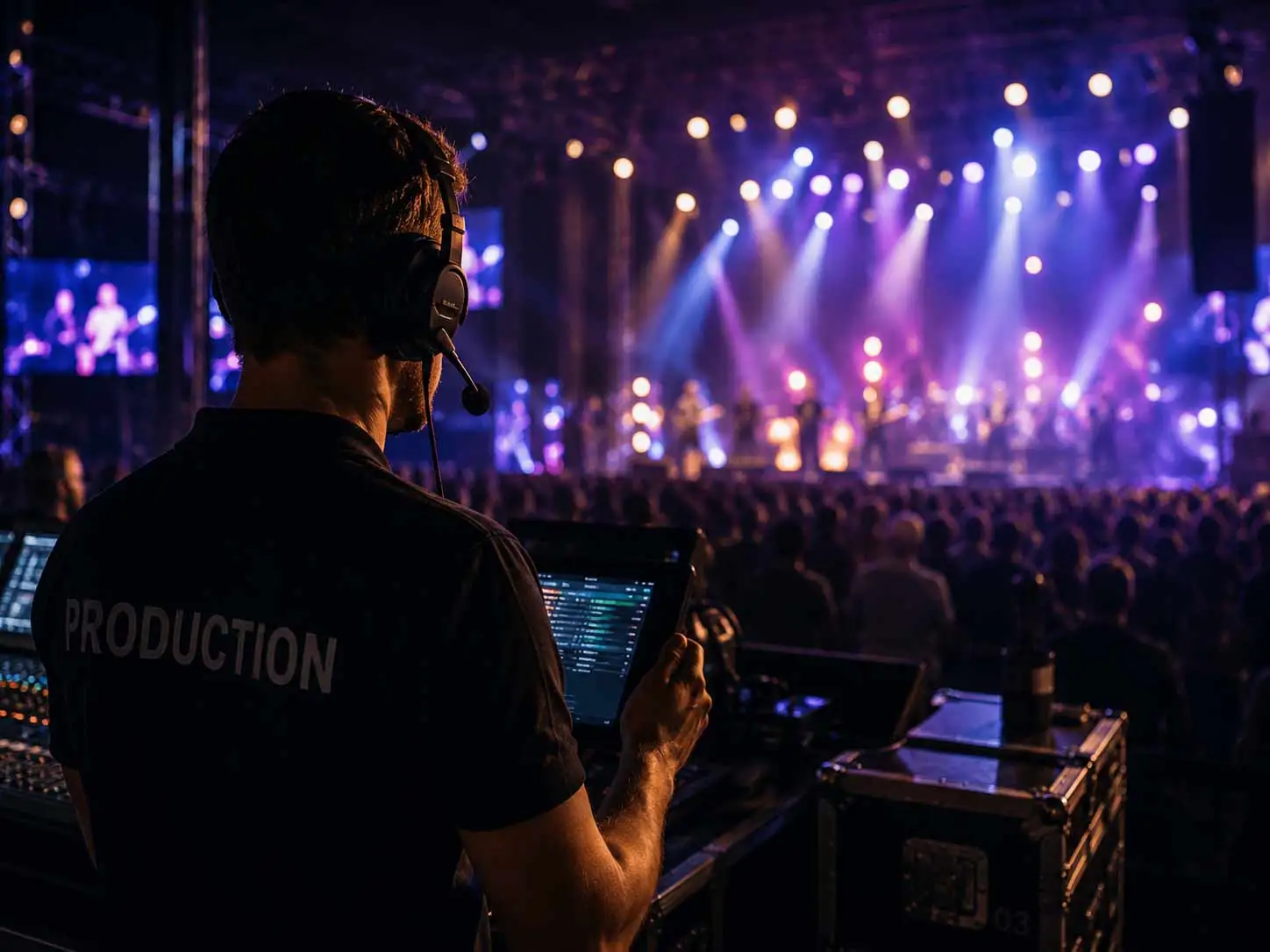
Event Logistics for Organized Production Flow.
Ronter Sound Events manages event logistics so schedules, access, vendor movement, setup timing, equipment flow and production operations stay connected from planning to event day.
Event logistics is what keeps production from becoming scattered.
A successful event depends on more than the program itself. Equipment has to arrive at the right time, vendors need access, setup has to follow a clear order, production teams need space to work, and the event schedule has to support everything happening behind the scenes.
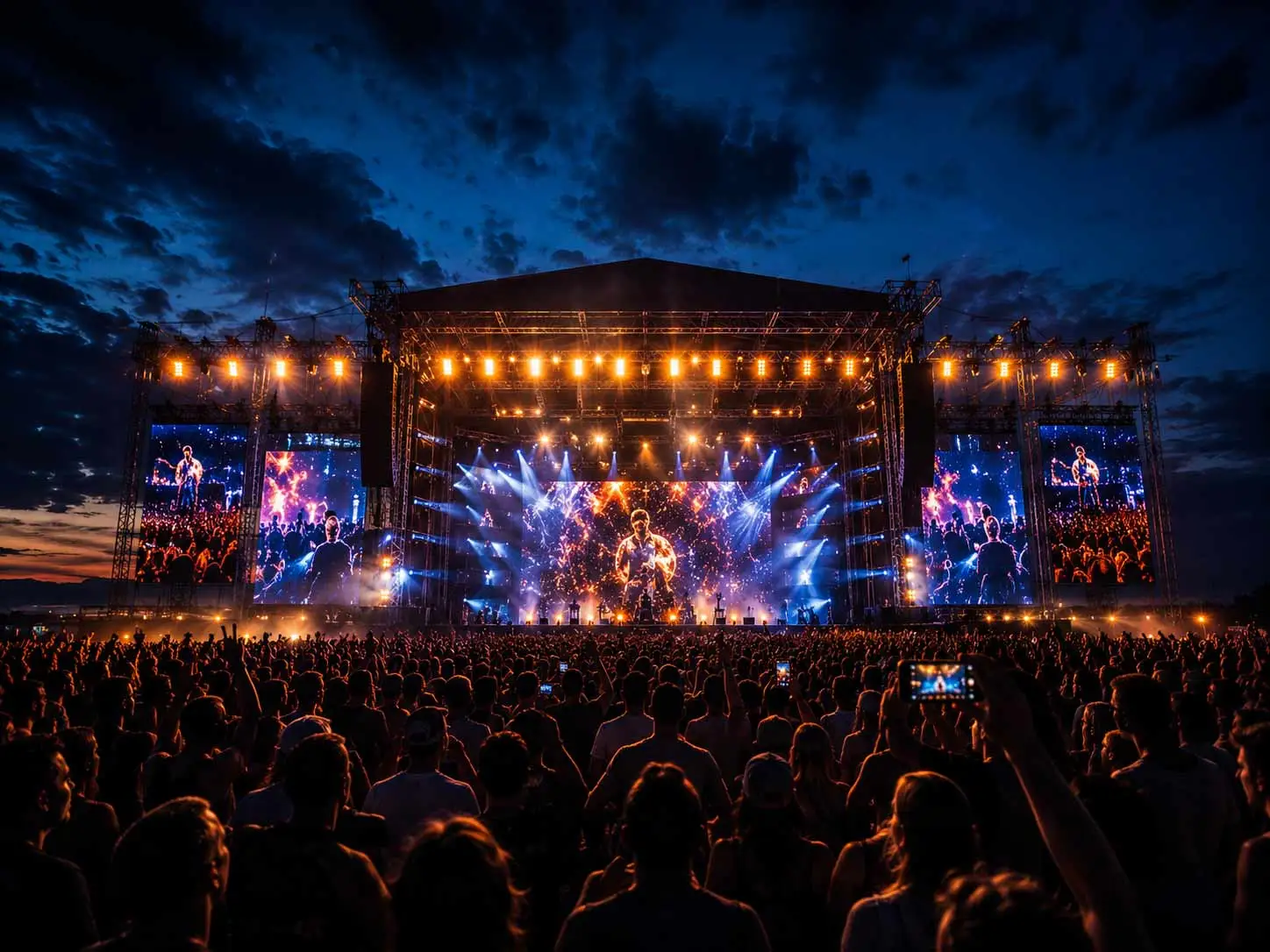
The event starts before guests arrive.
Logistics begins with access, timing, arrivals, setup order and communication. If those pieces are unclear, the event can feel rushed before the program even starts.
Ronter Sound Events helps organize the operational side of production so the event team, venue, vendors, technical crew and performers are working from the same plan.
Every movement has to support the same production plan.
Planning setup windows, vendor arrivals, technical checks, rehearsal timing, program flow and closing movement.
02 Vendor AccessCoordinating arrival instructions, venue access, delivery timing, staging areas and vendor communication points.
03 Technical MovementSupporting sound, lighting, staging, playback, power and production setup as one connected technical process.
04 Event-Day OperationsManaging live production needs, team movement, schedule adjustments and communication during the event.
05 Complete Production FlowConnecting planning, logistics, technical support, vendors, show flow and on-site execution into one event system.
From access planning to event-day operations.
Event Requirements
We review the event type, venue, schedule, guest count, production scope, vendor list and technical needs.
Access and Timing
Arrival windows, load-in timing, setup order, vendor access, room readiness and technical checks are organized.
Production Operations
The production plan connects logistics with sound, lighting, entertainment, photography, video and event coordination.
Event-Day Control
During the event, the logistics plan supports live changes, transitions, vendor movement and closing operations.
Logistics changes depending on the event format.
A concert, festival, corporate event, wedding, community event and private celebration each have different access needs, vendor movement, setup timing and production flow.

Logistics only works when it is connected to the services it supports.
The logistics plan has to understand what the sound team needs, how lighting is installed, when artists arrive, where photo and video teams position themselves, and how the production schedule affects the event experience.
That is why event logistics is part of the larger production process — not a separate checklist.
The details guests do not see still shape the whole event.
The event logistics plan should support the run of show, not compete with it.
02 Live AdjustmentsWhen timing changes, logistics and show calling help the event keep moving in the right order.
03 Stage and Backstage FlowPerformers, presenters and stage movement need logistics that support the live program.
04 Technical ReadinessTechnical direction helps make sure the logistical plan matches the actual production requirements.
05 On-Site DecisionsProduction support on-site helps solve timing, access and movement issues as the event develops.
Tell us what needs to move, arrive, happen and connect.
Send the event date, location, event type, guest count, vendors and production elements involved. We’ll help define the logistics support that fits your event.