
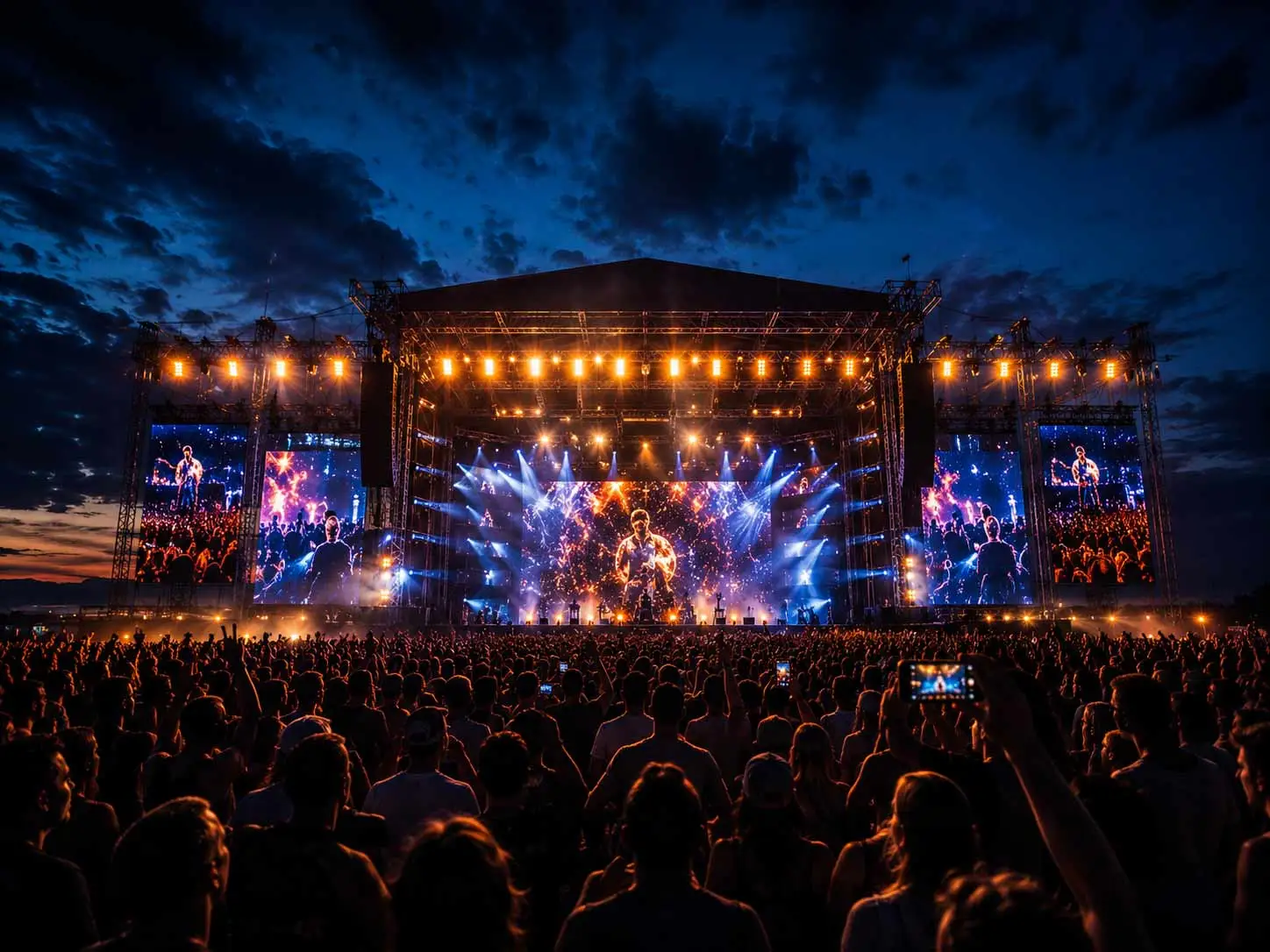
Stage Management for Live Event Control.
Ronter Sound Events provides stage management services that keep presenters, performers, cues, stage changes, backstage timing and live production flow organized during the event.
The stage needs one clear point of control while the event is live.
Stage management keeps the event moving behind the visible program. Presenters need to be ready, performers need to know when to enter, microphones need to be prepared, stage changes need timing, and the production team needs clear communication before each moment begins.
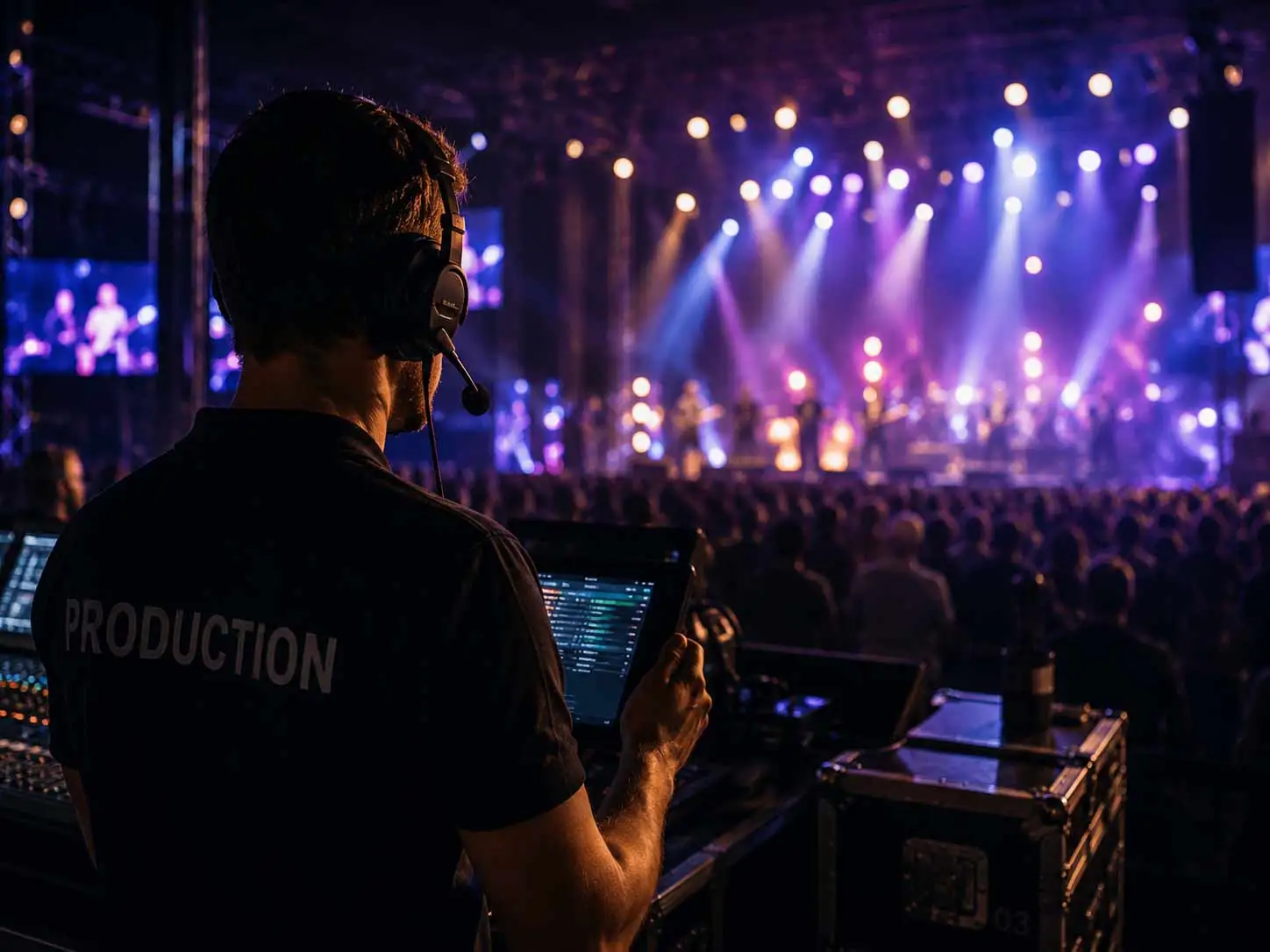
Stage management connects the people on stage with the production team behind them.
During a live event, stage movement affects the entire production. A late presenter, a missing microphone, an unclear entrance, or a delayed performance can interrupt the rhythm of the program.
Stage management helps prevent those gaps by keeping presenters, performers, crew, cues and transitions aligned with the run of show.
Every person and every stage moment needs timing.
Following the run of show so entrances, speeches, performances, transitions and exits happen in the right order.
02 Cue ReadinessMaking sure presenters, performers and stage teams are ready before each live cue is called.
03 Microphone HandoffsSupporting speeches, announcements, host moments and performer changes with clear microphone timing.
04 Performer FlowCoordinating artist readiness, stage entrances, performance timing and transitions between entertainment segments.
05 On-Site AdjustmentsManaging live changes, timing shifts and stage needs while the event is already in motion.
From production planning to live stage execution.
Review the Program
We review the event format, stage moments, speakers, performers, host flow, schedule and production requirements.
Prepare the Stage Flow
Entrances, exits, stage changes, microphone needs, performer timing and presenter movement are mapped to the run of show.
Coordinate Live Moments
During the event, stage management keeps people ready and connected to cues, transitions and production communication.
Support Adjustments
When timing changes, the stage manager helps the stage stay organized without interrupting the guest-facing experience.
Stage management becomes important when the program depends on people moving at the right time.
Concerts, festivals, corporate programs, weddings, community events and private celebrations can all require presenters, performers, hosts, speakers and production teams to stay aligned.

Guests see the moment. Stage management controls what happens before it.
A smooth stage moment usually depends on what happened thirty seconds earlier. The next speaker was found. The microphone was ready. The performer was in position. The lighting and sound teams knew what was coming.
Stage management gives live events that structure. It helps the audience experience the program as intentional, calm and professionally managed.
Stage management works best when the full production plan is connected.
Presenters, performers and production teams need timing and access that support the stage schedule.
02 Technical AlignmentStage moments need to be connected to sound, lighting, playback, screens and production control.
03 Live Cue CommunicationThe show caller and stage manager work together so the next live moment is ready before it begins.
04 Vendor TimingOutside teams, entertainment providers and venue staff need clear communication around stage-related moments.
05 Production OversightStage management supports the broader production plan by keeping live movement connected to the event structure.
Tell us what happens on stage. We’ll help organize the movement behind it.
Send the event date, location, event type, guest count, stage moments and production elements involved. We’ll help define the stage management support that fits your event.