
Artist Requirements
We clarify the performer’s needs, technical details, stage setup, playback, microphones, instruments, schedule and performance format.
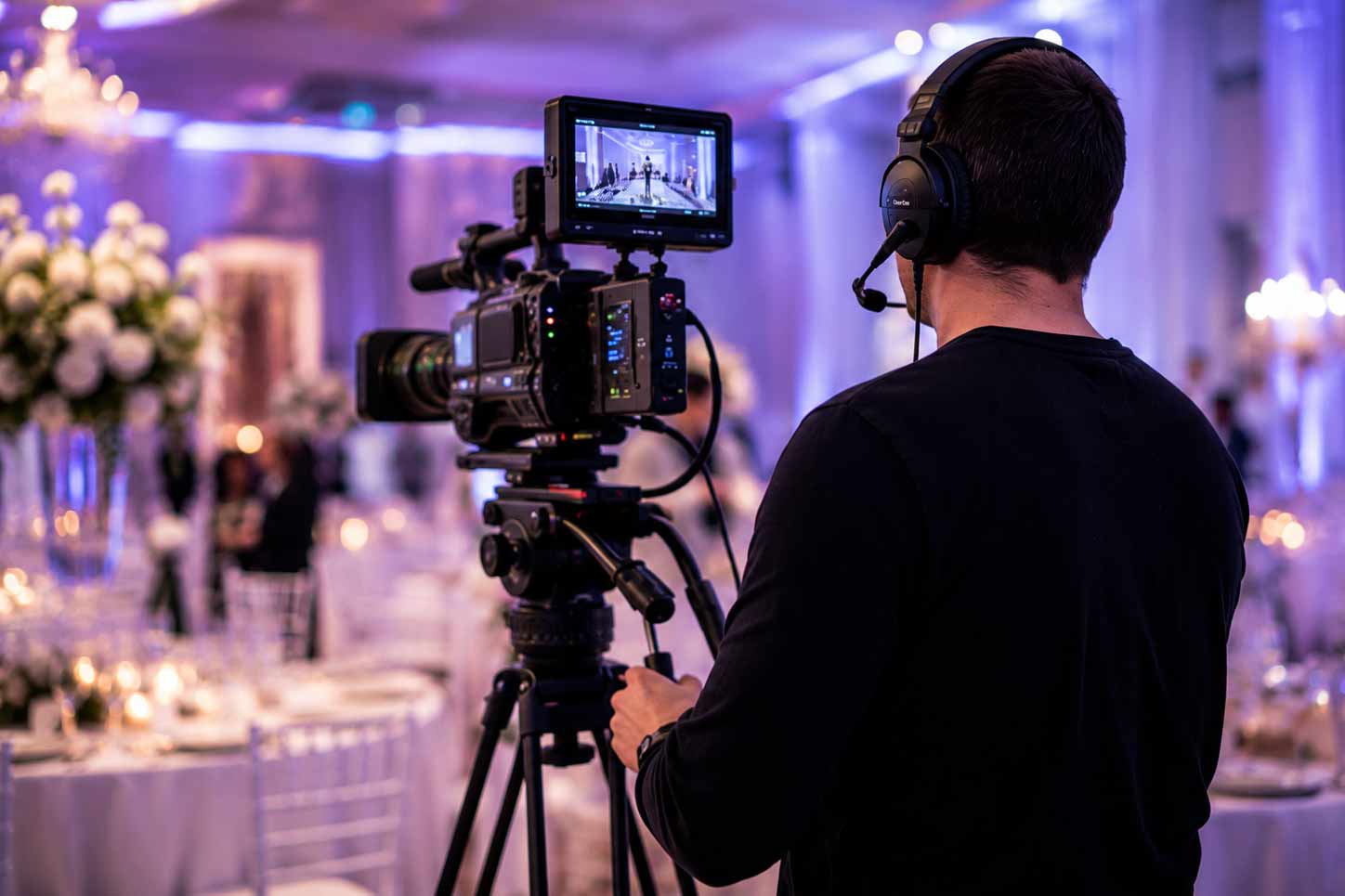
Ronter Sound Events supports live performers, bands, singers, musicians and concert artists with technical coordination, stage flow, sound, lighting, backline support, artist needs and onsite production management.
Performers need clear communication, prepared technical details, a stable stage flow, sound that supports the performance, lighting that follows the mood and a production team that understands what is happening in real time.
Live performance support helps performers deliver the show with confidence. The work can include artist technical requirements, microphones, playback, instruments, stage timing, transitions, soundcheck structure, lighting moments, backstage communication and onsite coordination during the performance.
Support for artist requirements, setup details, playback needs, microphones, instruments, performance notes and technical communication.
02Stage flow support for entrances, transitions, performance order, timing, backstage movement and live show communication.
03Coordination around instruments, amplifiers, musician needs, stage setup and practical performance requirements.
04Sound support for vocals, instruments, playback, audience coverage, stage monitoring and the real movement of the performance.
05Lighting that supports performer focus, stage energy, transitions, mood changes and the visual rhythm of the live show.
06Artist-facing support that helps performers feel prepared, expected and supported before and during the event.
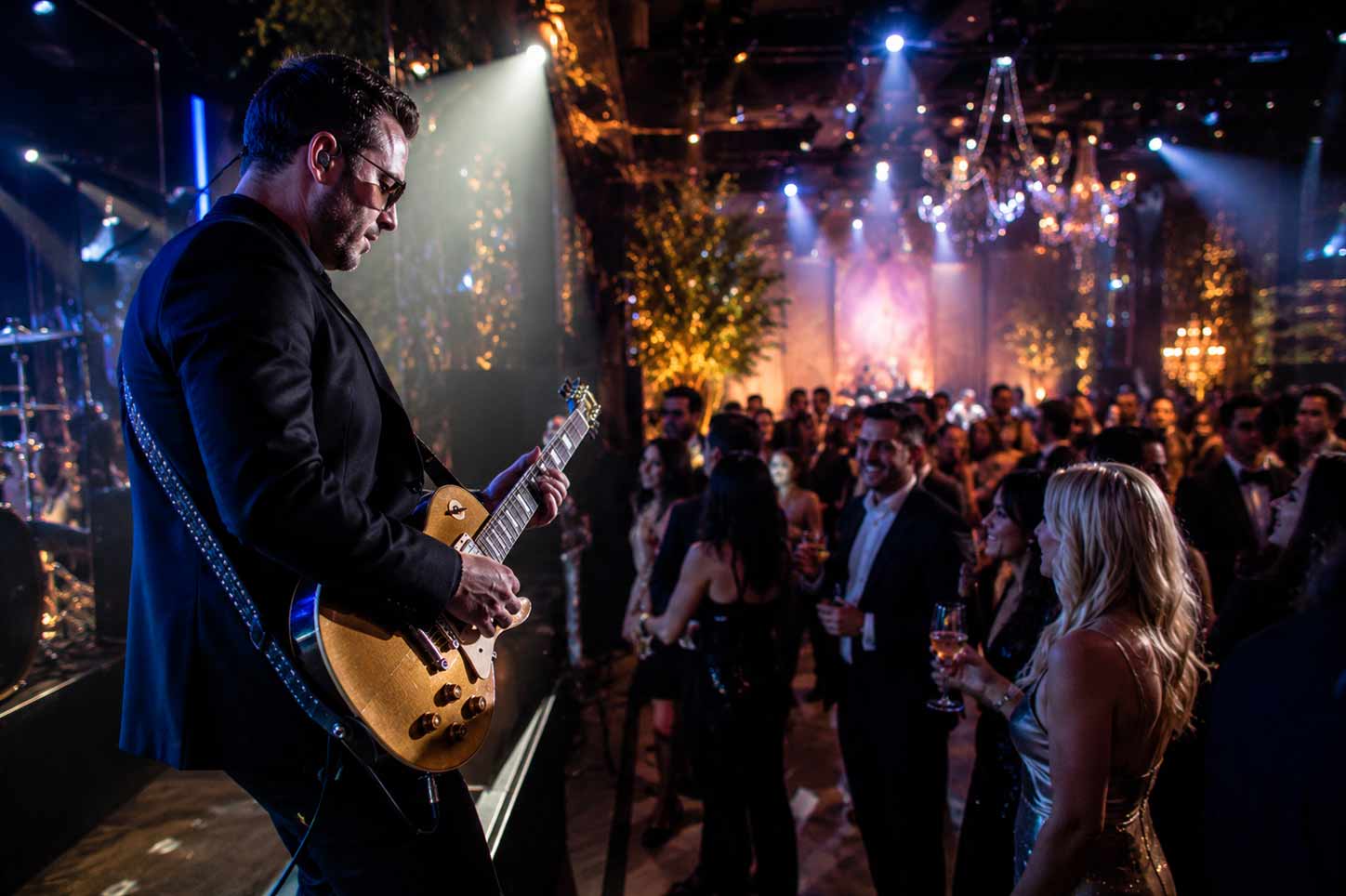
Live performances move quickly. A microphone change, a playback cue, a late transition, a lighting shift, a stage entrance or a missing setup detail can affect the energy of the show. Performance support exists to reduce those problems before they reach the artist or the audience.
Ronter Sound Events helps prepare the technical and production side around the real needs of the performer. We connect artist notes, stage needs, sound, lighting, timing and onsite communication into one practical show environment.
Every performer works differently. A band needs one kind of stage preparation. A singer may need another. A musician, DJ, host or specialty performer may have specific technical and timing needs. The production plan should respect the performance instead of treating every artist the same way.
Support for bands that need stage layout, microphones, instruments, monitors, soundcheck, performance timing and backline coordination.
VocalsSupport for vocal performers with microphone needs, playback, stage focus, introductions, lighting moments and live sound clarity.
MusiciansSupport for solo musicians and instrumental performers with setup needs, stage position, sound, timing and performance communication.
The goal of live performance support is not to make the show feel complicated. The goal is to prepare the important details so the artist can move through the performance with confidence and the audience can stay connected to the moment.
We clarify the performer’s needs, technical details, stage setup, playback, microphones, instruments, schedule and performance format.
Stage layout, soundcheck timing, technical preparation, performer movement and crew responsibilities are aligned before the event.
Sound, lighting, stage flow, backline needs, artist communication and timing are connected to the full event plan.
During the show, onsite support helps the performance move through entrances, transitions, cues, technical moments and live adjustments.
After the performance, the production side continues through artist exit, equipment movement, breakdown and the closing details of the event.
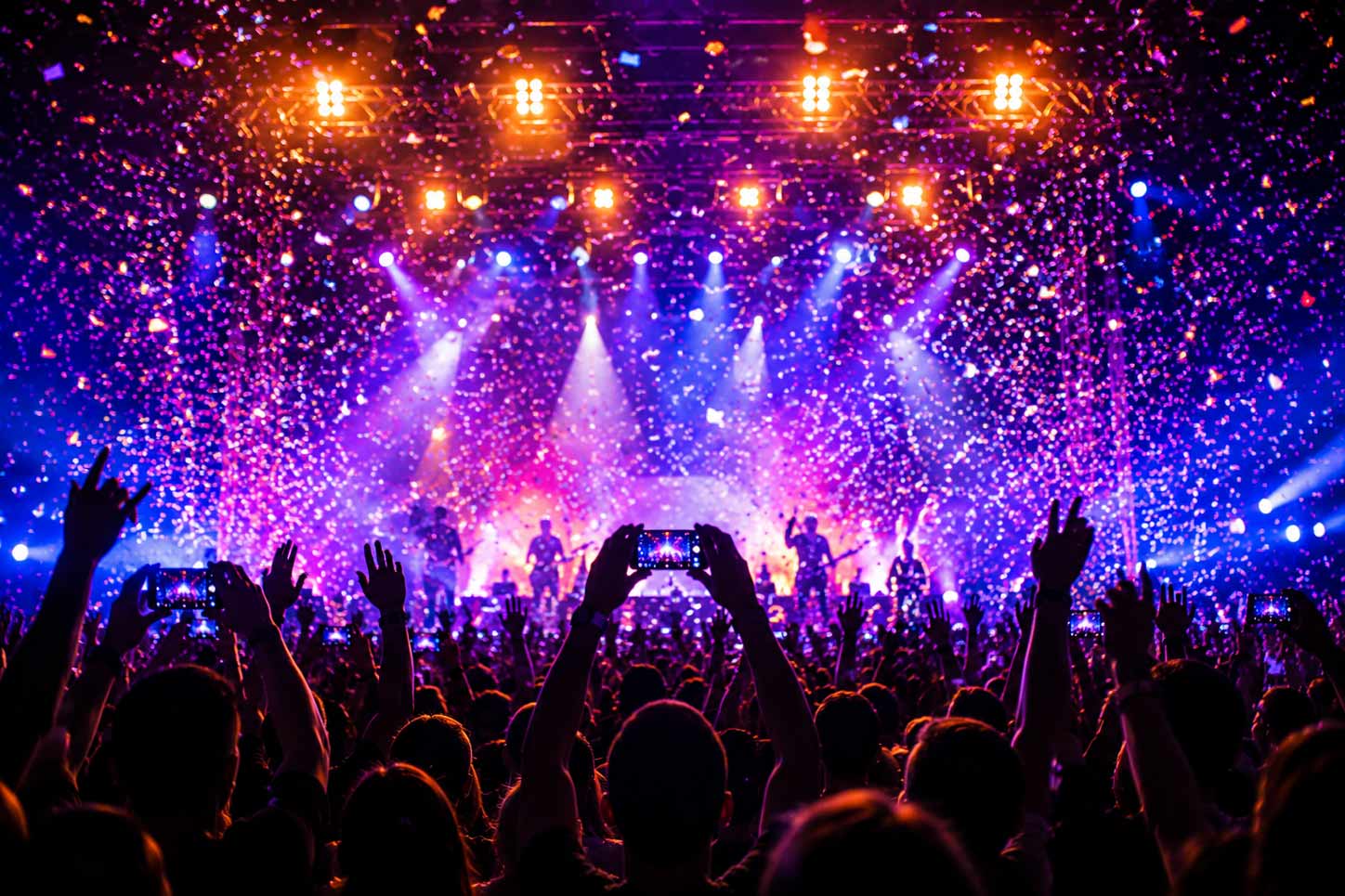
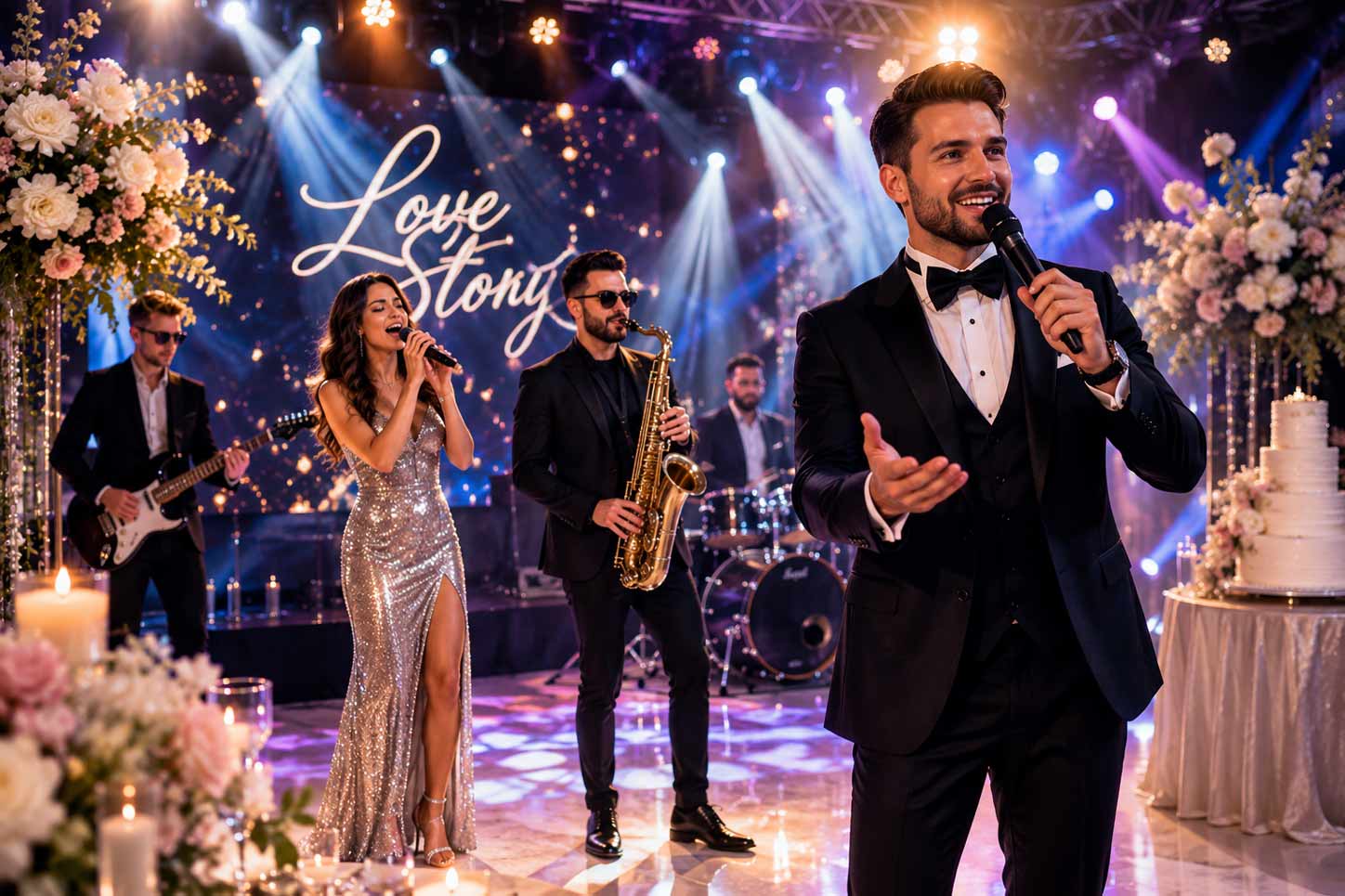
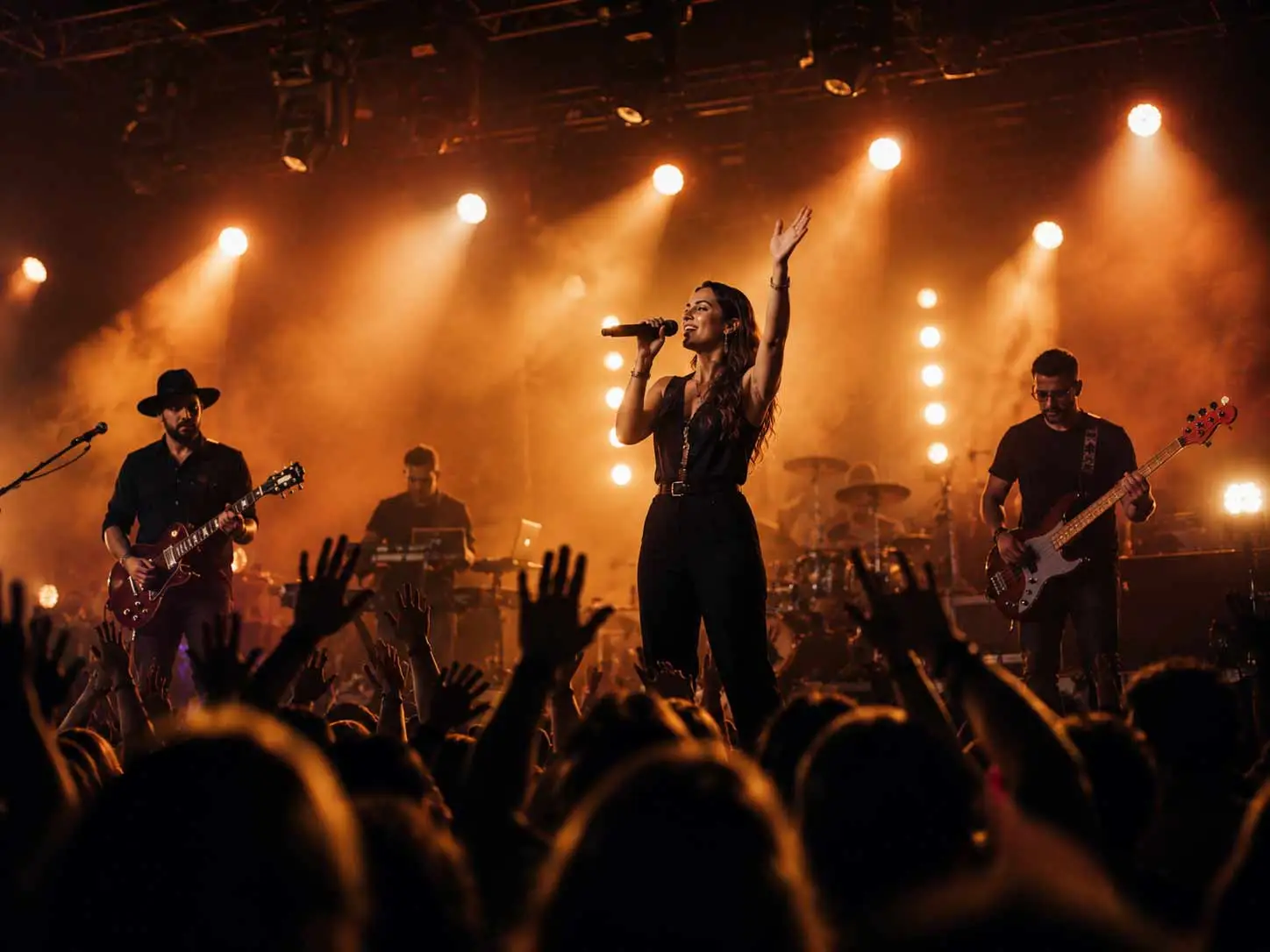
A performer may need a specific microphone position, a clean playback start, a prepared instrument setup, a clear monitor mix, a stage entrance at the right moment or a lighting change that supports the emotion of the song. These details may seem small individually, but together they affect the confidence of the performance.
We support those details through advance communication, technical planning and onsite coordination. The result is a performance environment where the artist is not left trying to solve production issues while the audience is waiting.
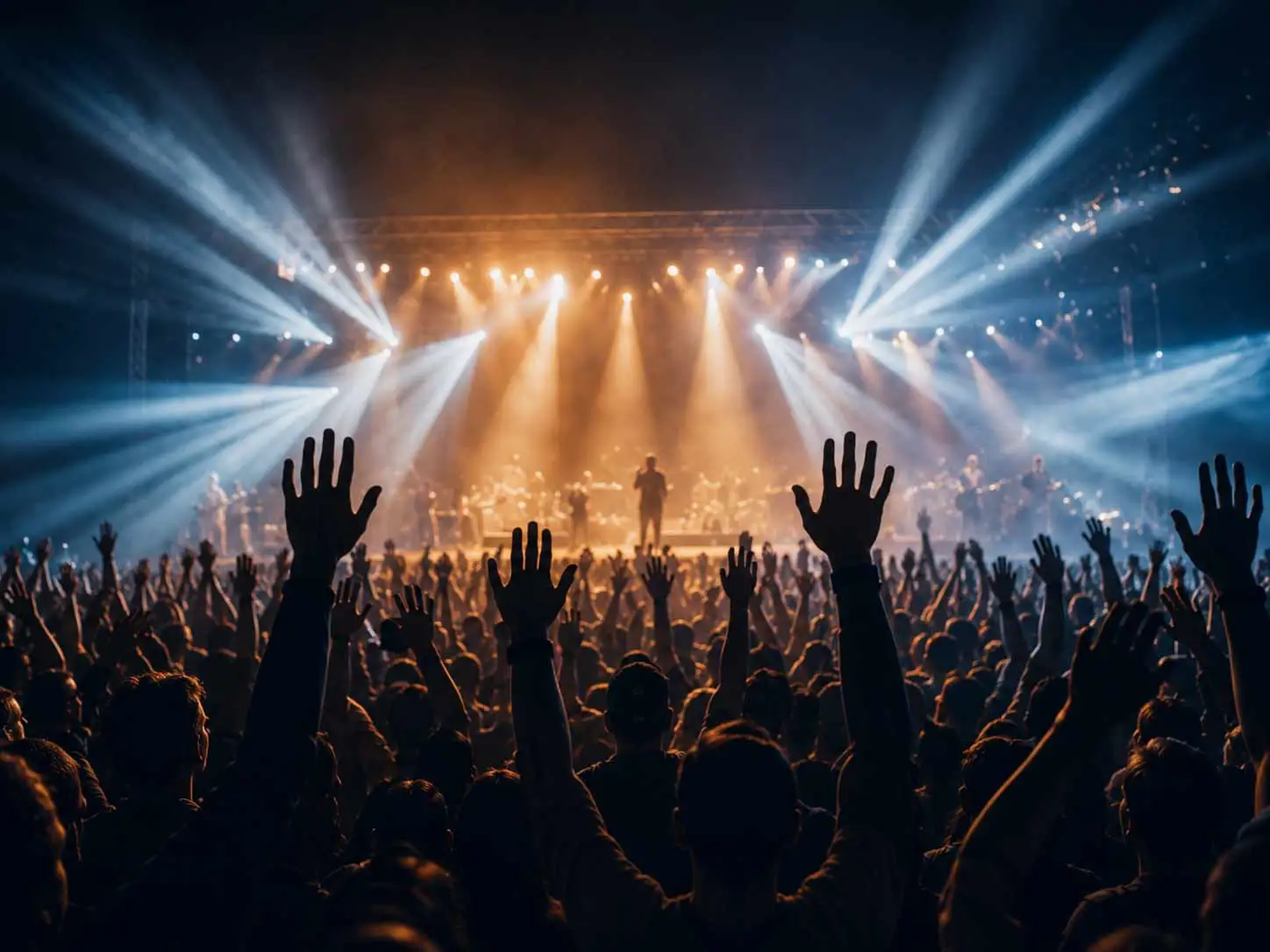
A live show can involve artists, musicians, hosts, technical crew, production managers, venue staff and media teams. Clear coordination helps everyone support the same performance instead of reacting separately during the event.
A clear run of show helps align artist arrival, soundcheck, introductions, performance order, transitions, media moments and final close.
CuesShow calling supports key performance moments when stage movement, timing, sound, lighting and people need to move together.
DirectionTechnical direction connects artist needs, venue conditions, equipment planning, crew responsibilities and live show execution.
BackstageBackstage management supports readiness, artist movement, communication, timing and the unseen parts of the performance environment.
TimelineTimeline planning keeps performance support connected to the full event, from setup and soundcheck through audience arrival, showtime and breakdown.
MediaConcert photography can be aligned with the performance schedule so stage moments, artist energy and audience atmosphere are captured intentionally.

When performance support works well, the show feels natural. The artist feels prepared, the sound supports the music, the stage moves with intention, the lighting follows the mood and the audience stays inside the experience.
That is the purpose of live performance support: to make the live moment feel smooth, focused and complete.
Concert PortfolioLive performance support is the technical and production support surrounding a performer during a concert or live event. It can include artist requirements, stage flow, sound, lighting, playback, microphones, backline, timing, backstage communication and onsite coordination.
Live performance support can help bands, singers, musicians, DJs, hosts, specialty performers and touring artists who need their performance environment prepared and coordinated before and during the show.
Yes. Artist technical support can include reviewing setup needs, microphones, playback, instruments, stage position, soundcheck timing and performance communication.
Yes. Live sound and stage lighting can be planned as part of the performance support process so the artist, stage and audience experience feel connected.
Yes. Backline coordination can be included when musicians need instruments, amplifiers, stage setup support or practical equipment coordination for the performance.
Yes. Live performance support can be part of a larger concert production plan that also includes sound, lighting, stage management, artist hospitality, photography, video and onsite production management.
Share the date, venue, performer type, artist requirements, expected audience size, schedule and the support needed on stage or backstage. Ronter Sound Events will help shape a live performance support plan around the artist, the room and the audience.
Concerts, corporate events, private celebrations, sound systems, lighting, stage production and entertainment.