
01
Main Stage Sound
We plan main stage audio for artists, hosts, live bands, DJs, announcements and audience coverage so the central program feels clear and controlled.
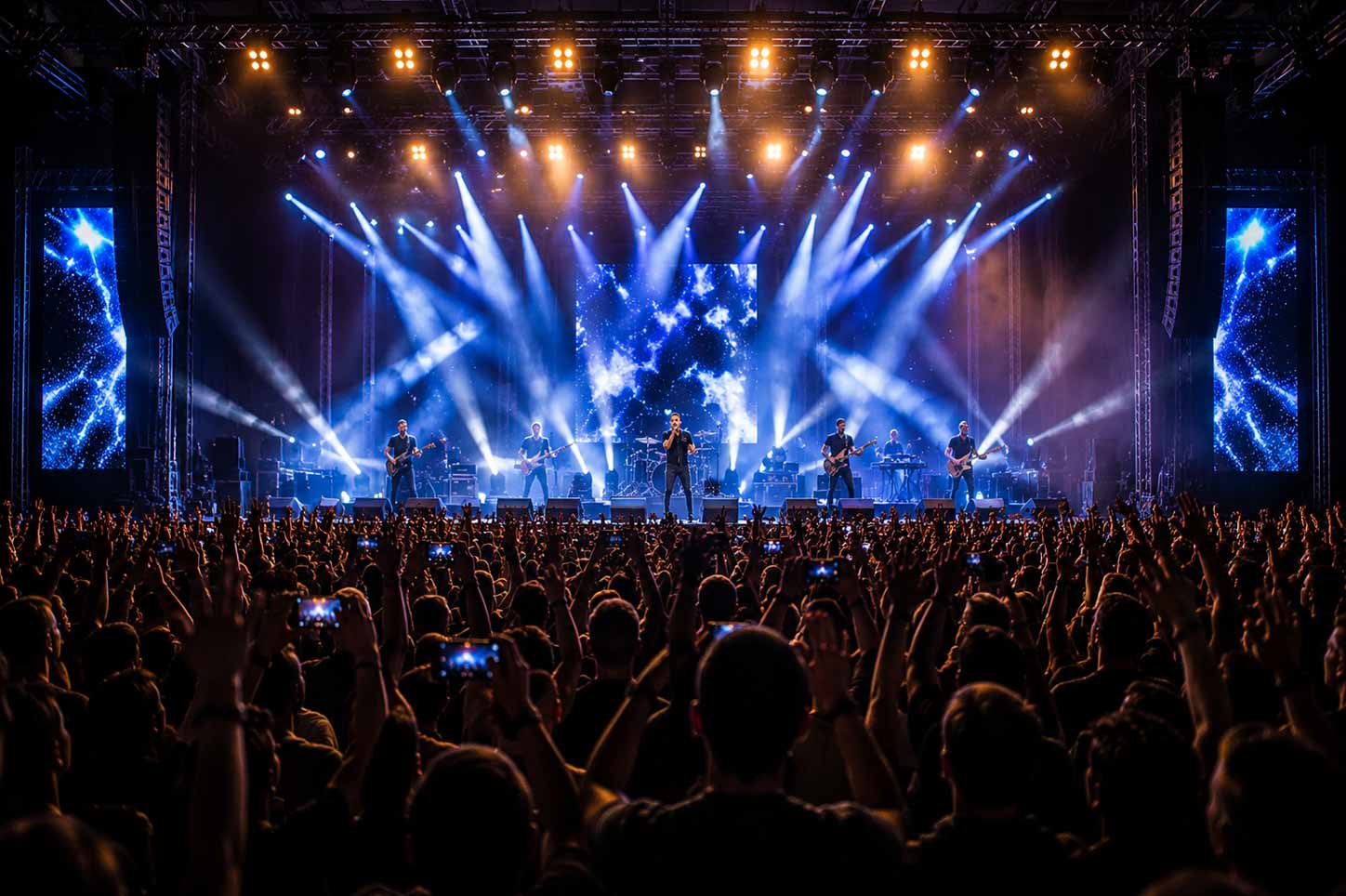
Festival sound services for single-stage and multi-stage events requiring large-scale audio coordination, live engineers, performer support, clear audience coverage and structured production flow.

Festivals are built from many moving parts: artist schedules, stage changes, announcements, live performances, audience movement, outdoor conditions and long production days. Sound has to support all of it without becoming a problem for the organizer.
We plan festival audio around the venue layout, audience size, stage count, artist lineup, performance schedule, outdoor conditions and the flow of people through the event.
We support front of house sound, stage monitors, artist microphones, playback, show announcements, music stages, live bands, DJs, hosts and stage transitions.
The goal is simple: the audience hears clearly, performers feel supported, and the festival team has one organized audio plan from load-in to final performance.
Festival audio has to stay organized across stages, artists, schedules, announcements and audience areas. The system should match the site, the program and the scale of the event.
Festival sound can involve music stages, public announcements, host microphones, artist changeovers, backstage communication, playback, crowd areas and long operating hours. Each part needs to be planned before the gates open.
We plan main stage audio for artists, hosts, live bands, DJs, announcements and audience coverage so the central program feels clear and controlled.
When a festival includes more than one stage, sound planning must consider stage separation, schedules, changeovers, audience zones and overlapping programs.
Performers may need microphones, inputs, monitor mixes, playback, DJ support, band support or stage communication. We plan this around the lineup.
Outdoor festival sound requires attention to coverage distance, stage direction, audience shape, low-frequency behavior and the way sound moves through open space.
Festival programs often rely on clear announcements, sponsor moments, host introductions, schedule updates and crowd guidance throughout the day.
Audio engineers manage microphones, levels, transitions, monitors, playback and real-time adjustments so the festival can keep moving.
This service focuses specifically on festival sound. For broader audio production, visit Sound Systems. Festival audio may also connect with Outdoor Sound, Live Sound, Professional Event Sound and Festival Production.
If the festival includes multiple artists, sound is planned around performance order, changeovers, monitor needs and stage communication.
If the event includes stage atmosphere, nighttime programming or a visual show environment, audio can connect with Festival Lighting.
If the festival includes DJs, live bands, cultural performers, hosts or musicians, the sound plan is built around the people leading each stage.
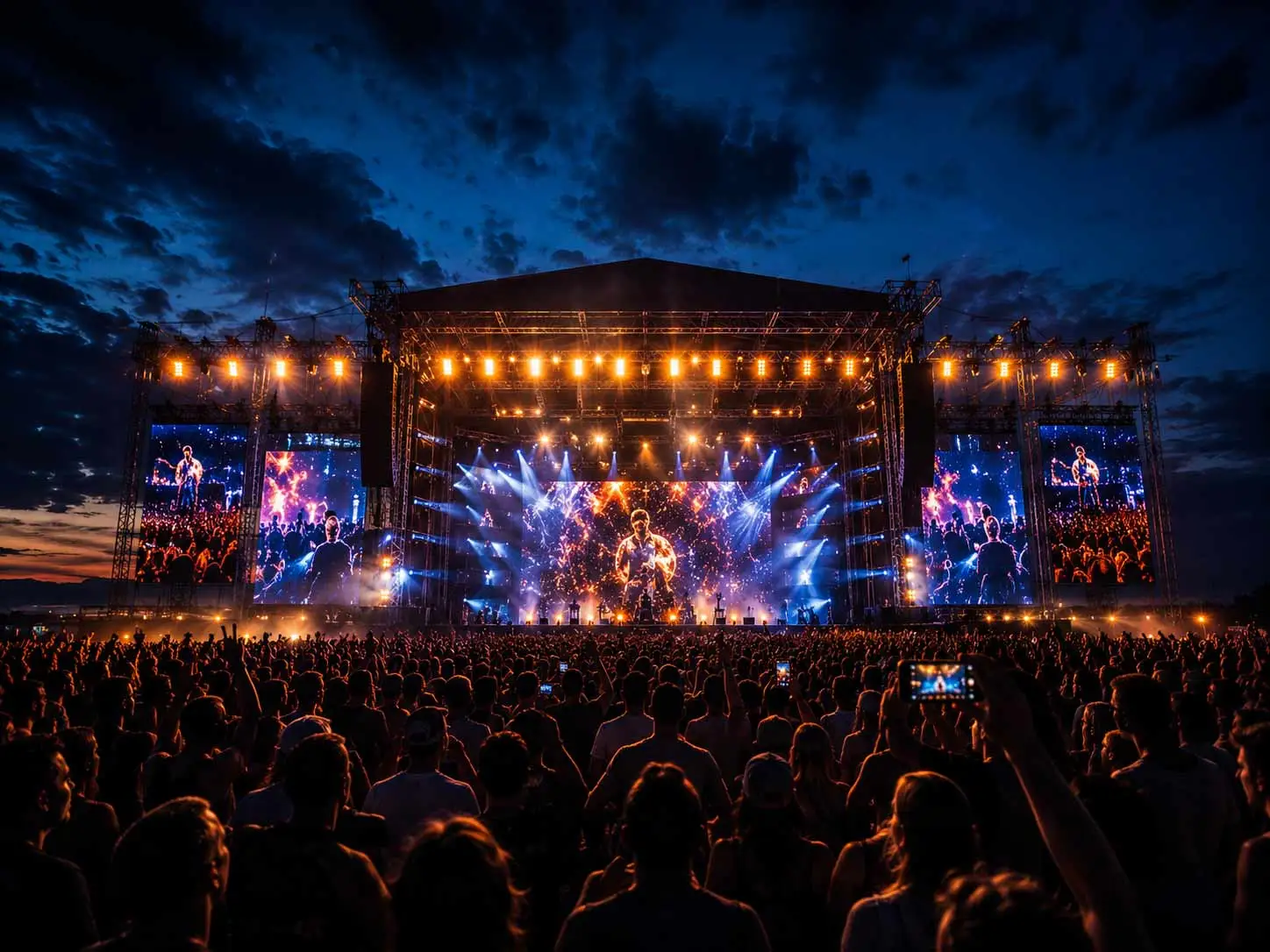
A music festival, community festival and cultural festival do not need the same exact audio plan. The system should support the event format, the audience movement and the stage schedule.
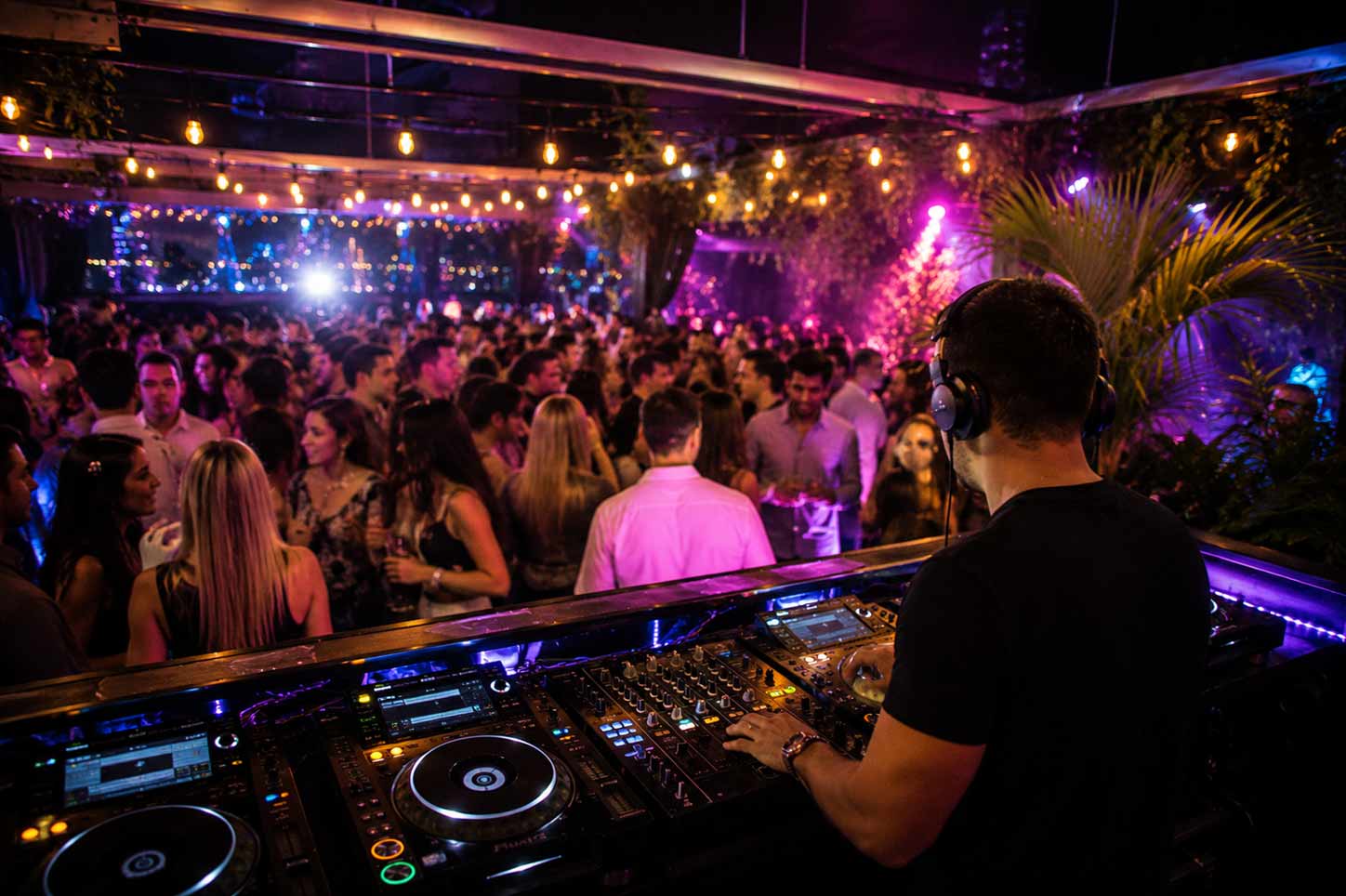
Music festival sound supports artists, bands, DJs, performers, stage monitors, front of house mixing and audience energy throughout the program.

Outdoor festival sound requires careful planning for coverage, distance, announcements, stage direction and the way guests move through the site.
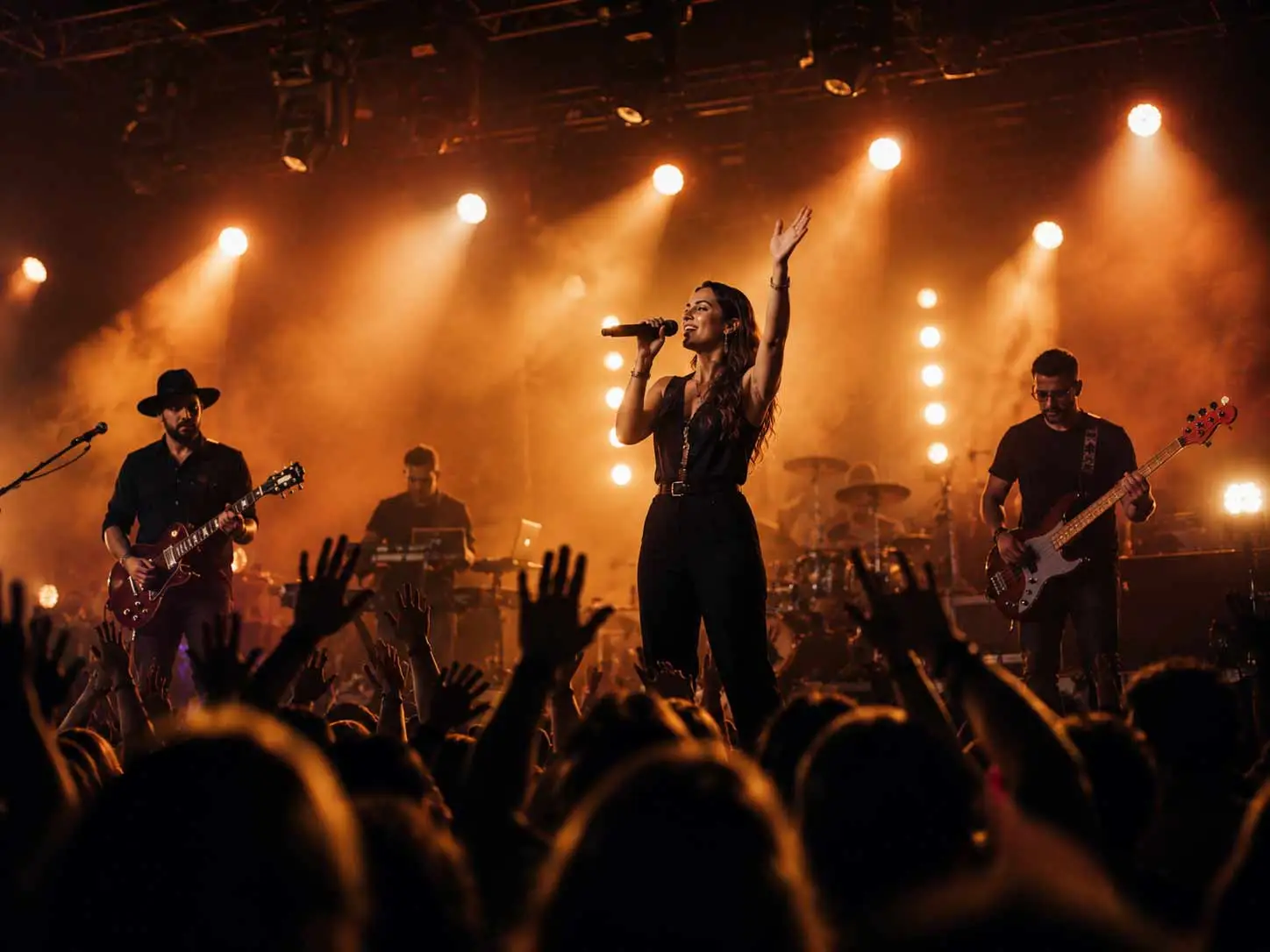
Cultural festivals may include music, dance, announcements, hosts, live performers and community programming that need flexible audio support.
A strong festival sound plan starts before the first stage is built. We look at the full site, schedule, audience, performers and production needs so the event can run with confidence.
We review the stage locations, audience zones, vendor areas, entrances, nearby structures, outdoor conditions, power access and the way guests will move through the event.
We look at performance order, set lengths, host moments, announcements, artist changeovers, soundcheck windows and any timing that affects audio operation.
We plan around microphones, inputs, DJ setups, live bands, vocalists, cultural performers, playback, stage monitors and any performer-specific requirements.
We consider crowd size, listening areas, stage distance, open-air coverage, low-frequency behavior, speech clarity and the balance between music impact and site control.
We start with the site, audience size, stage count, event type, performer lineup, program schedule and production requirements.
Each stage may need its own sound approach based on performers, audience location, stage size, show timing and nearby activity.
Audio is aligned with lighting, artist scheduling, stage management, crowd flow, vendor timing, load-in and the full festival plan.
Sound systems, microphones, monitors, playback and engineer positions are checked before the audience and artists depend on them.
During the festival, engineers manage levels, microphones, stage changes, announcements, playback and real-time adjustments.
After the final performance, technical wrap-up and breakdown are handled in an organized way so the event team can finish the day calmly.

Festivals often include sound, lighting, staging, performers, hosts, artist schedules, crowd flow, photography, video, load-in, safety timing and public-facing announcements. Ronter Sound Events can connect these moving parts into one managed process.
For the full technical and organizational side of a festival, explore Event Production.
For artist timing, stage order, crowd movement and on-site support, explore Festival Logistics and Crowd Flow Coordination.
For visual coverage of the event, sound can also connect with Festival Photography and Event Videography.
Festival sound often connects with outdoor sound, live sound, stage monitors, front of house mixing, playback, engineers, lighting and event production.
Festival sound is built around the lineup. If your program includes DJs, bands, singers, musicians, hosts or cultural entertainment, the audio plan should support how each stage actually works.
Music festivals, outdoor festivals, cultural festivals, community festivals, food festivals, public celebrations and multi-stage events often need professional festival sound planning and live audio operation.
Yes. Multi-stage festivals can be planned with separate sound areas, stage schedules, performer needs, audience zones and coordination between the technical team and the event schedule.
Yes. Live audio engineers can manage front of house sound, stage monitors, microphones, playback, announcements, transitions and real-time adjustments throughout the festival.
Yes. Festival sound can be planned for live bands, DJs, singers, musicians, hosts, dance groups, cultural performers and mixed-format stage programs.
Yes. Outdoor festival sound requires careful planning for coverage distance, stage direction, open-air conditions, low-frequency behavior, crowd movement and the overall site layout.
Yes. Festival sound can be coordinated with festival lighting, stage management, artist scheduling, crowd flow, photography, videography and full event production so the festival feels connected.
Share your festival date, location, audience size, stage count, artist lineup, schedule and technical needs. We will help plan the festival sound approach and connect it with the rest of the production when needed.
Concerts, corporate events, private celebrations, sound systems, lighting, stage production and entertainment.